Flying with kids: the short survival guide
If the idea of corralling sticky hands, snacks, and emotions into a tiny seat makes you tired already, good news: you’re not alone. These tips for flying with kids are written by someone who’s negotiated boarding with a toddler on a sugar high and won—eventually.
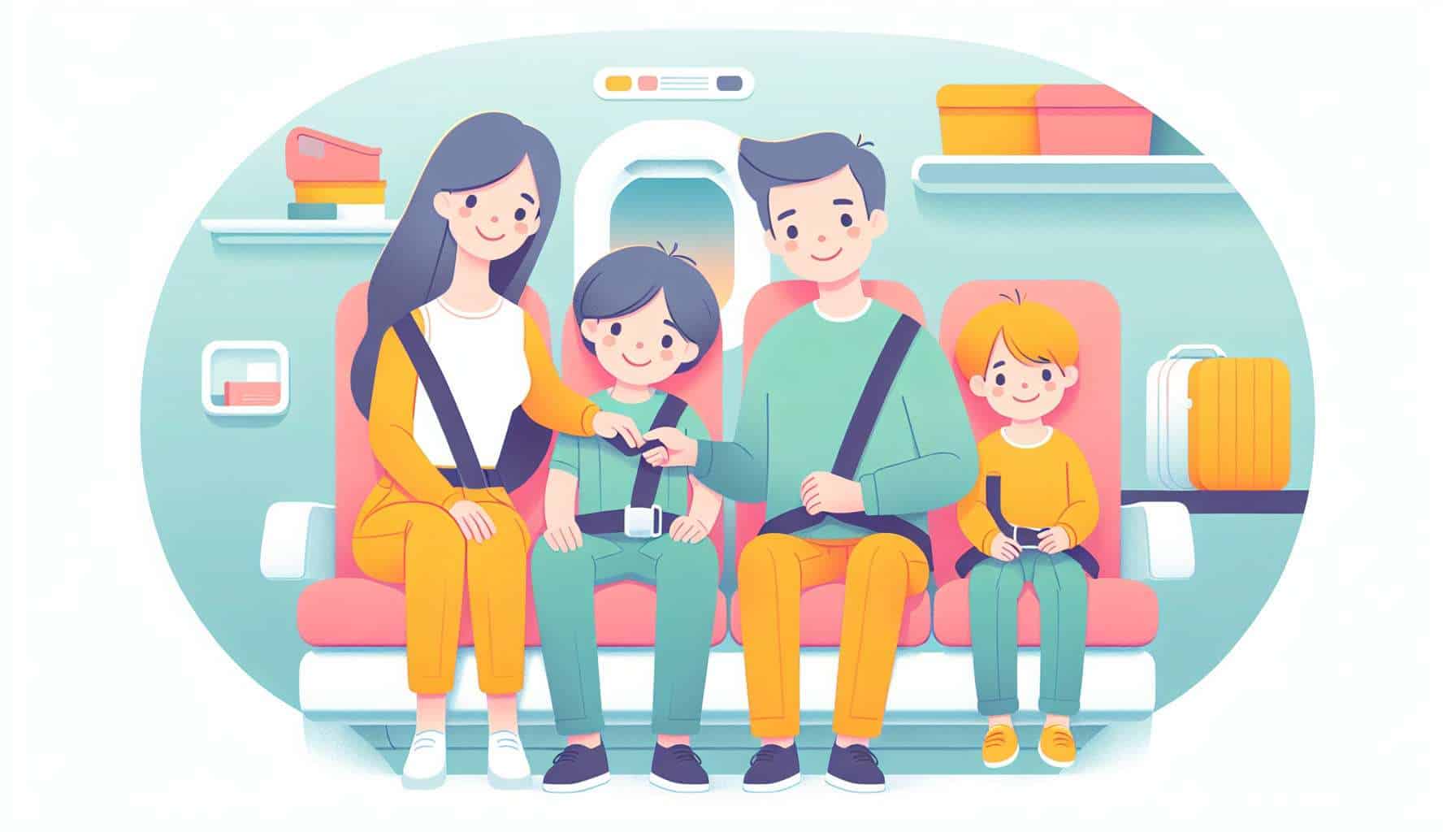
Confession: sometimes we skip the ‘perfect’ AI images and just can’t resist picking the most awkward ones. Hopefully they bring a smile to your face too!
Also try: Flying with a Toddler: The Survival Guide
Think of this as less “how to be perfect” and more “how to be practical.” We’ll cover planning, packing, airport moves, in-flight sanity-savers, and what to do when the meltdown arrives. No judgement, just strategies.
This guide is built for busy parents who want realistic, usable advice. Keep an open mind and pack extra snacks.
- This guide covers: pre-flight planning and seat choices.
- This guide covers: a carry-on checklist and entertainment hacks.
- This guide covers: airport strategies, inflight sleep tricks, and meltdown management.
Before you book: planning that saves headaches
Booking the right flight is the easiest way to win ahead of time. You don’t need a PhD in logistics—just a few smart moves.
Choose the right flight time
If your child naps, aim for a flight that overlaps nap time. Early morning flights are often calmer and are less likely to be delayed.
Red-eye flights can be great for babies who will sleep through, but toddlers might turn nocturnal and test your willpower.
Pick seats like a pro
Window seats give kids a tiny private world, aisle seats make mid-flight bathroom runs easier. If you can score a bulkhead row, you’ll usually get more space and fewer knees in your back.
If flying solo with a child, book an aisle seat near the restroom and bring a slim blanket for privacy during diaper changes.
Packing: the carry-on that saves the day
Your checked bag can be glamorous. Your carry-on must be functional. Treat it like a small survival kit for two tiny humans and one very fragile grown-up.
Essential carry-on checklist
- Multiple snacks (small, non-messy, a mix of favorite and new).
- Water bottle or empty bottle to fill after security.
- Change of clothes for child and parent.
- Wipes, diapers, disposable bags.
- Compact first-aid kit and any medications.
- Tablet/phone preloaded with shows and headphones.
- Small toys or activity books in a zip pouch.
- Comfort item (blanket, small stuffed animal, pacifier).
Pro tip: divide snacks and toys into labeled zip bags—one for takeoff, one for the middle, one for desperate last resort.
Pack like a minimalist (but not a hero)
You don’t need every toy. Choose items that are compact, quiet, and can be used in multiple ways: a coloring pad, reusable sticker book, and a few small figurines.
Rotate toys so each is novel. New doesn’t mean pricey—wrap an old favorite in a napkin and call it a surprise.
Airport moves: speed and sanity
Airports are obstacle courses with time limits. Little planning here buys you calm later.
Security and stroller logistics
Use a stroller until the gate; it’s a portable corral and storage. Most airlines gate-check strollers for free. Fold it at the plane door and collect it at the jet bridge where possible.
Prepare kids for security—practice taking off shoes and pulling liquids out. Keep liquids (breast milk, formula) easily accessible and declare them at security.
Boarding strategy
If you need extra time, use pre-boarding for families. Otherwise, board later to let bins fill and avoid lugging a child through a crowded plane.
Bring a small backpack with the essentials so you’re not rifling through a big carry-on in the aisle.
In-flight tactics: sleep, snack, and entertainment
The in-flight phase is where these tips for flying with kids really show value. A calm, prepared parent makes a huge difference.
Takeoff and ear pressure
To ease ear pain during ascent and descent, offer a bottle, breastfeeding, pacifier, or chewy snack. Older kids can chew gum or suck on hard candy.
Entertainment that actually works
Layer entertainment: quiet activities for takeoff, screen time for the long stretch, and a calm activity for winding down.
- Low-tech: sticker books, small puzzles, finger puppets.
- Mid-tech: tablets with preloaded shows and headphones.
- High-impact: a new small toy (unwrapped at the right moment).
Rotate activities every 20–30 minutes. It sounds high-maintenance, but it works like clockwork on short flights and long-hauls alike.
Sleep strategy
Recreate a bedtime ritual: dim screens, read a short story, and use a familiar blanket. Earbuds and a soft sleep mask for older kids help too.
When things go sideways: meltdown management
Meltdowns are part of the package. Your job is triage: safety, containment, and recovery. You can’t control every emotion, but you can control your response.
Use the ABC approach: acknowledge, breathe, change the subject. Say, “I see you’re upset. Let’s take three big breaths and look at this silly airplane seatbelt game.”
If the crying goes long and loud, move to a different seat or stand in the galley (with flight attendant permission) for a calming walk. Sometimes motion helps more than words.
And remember: most fellow passengers are parents too. A quick, sheepish “thank you” or an apology goes a long way.
Special topics: babies, toddlers, and older kids
Different ages require tweaks. Babies need feeding and diaper supplies. Toddlers need containment and distraction. Older kids want autonomy and good Wi‑Fi.
Flying with infants
Bring extra formula/food and an extra outfit. If you have an infant seat, book it in advance and strap them in for takeoff if allowed. If breastfeeding, a nursing cover or comfy sweater helps for privacy.
Flying with toddlers
Toddlers test boundaries. Pack a small activity tray, practice the word “airplane” at home to build excitement, and give choices to create a sense of control: “Blue snack or red snack?”
Flying with older kids
Give them responsibility—carry their own backpack with a couple of treats, let them pick a movie, and set screen time limits before you board so they’re more cooperative.
Health, documents, and other practicalities
Bring any medication in your carry-on, plus a copy of prescriptions. Pack a simple first-aid kit and a list of emergency contacts. For international travel, keep passports and consent letters handy if relevant.
Consider travel insurance for longer or international trips—especially when multiple family members are crossing borders. It’s boring until it saves your trip.
Final pep talk
Flying with kids is messy, loud, and occasionally glorious. You’ll probably forget a charger or spill something, and you’ll also see your child’s tiny face pressed to the window, amazed by a cloud.
Use these tips for flying with kids as a flexible toolkit. The goal isn’t perfection; it’s getting from A to B with as much sanity (and dignity) as possible.
Happy travels, brave parent. You’ve got snacks, a plan, and more patience than you think.
FAQs
What are the best tips for flying with kids to avoid ear pain?
Offer something to swallow during takeoff and landing: bottle, breastfeeding, pacifier, or a chewy snack. For older kids, chewing gum or sipping water helps equalize ear pressure.
How do I keep toddlers entertained on a plane without screens?
Pack layered, quiet activities: stickers, reusable sticker books, coloring pads with fresh crayons, small toys, and a surprise new item. Rotate items every 20–30 minutes and use simple games like ‘I spy.’
Should I check or carry a stroller when flying with kids?
Use the stroller at the airport for mobility, then gate-check it before boarding. Most airlines return it at the jet bridge. Keep a lightweight carrier or sling if you’ll need hands-free time.
Any packing tips for flying with kids that pros use?
Divide snacks and toys into labeled zip bags (takeoff, mid-flight, last resort). Pack a change of clothes for child and parent, keep meds accessible, and have a small waterproof bag for soiled clothes.