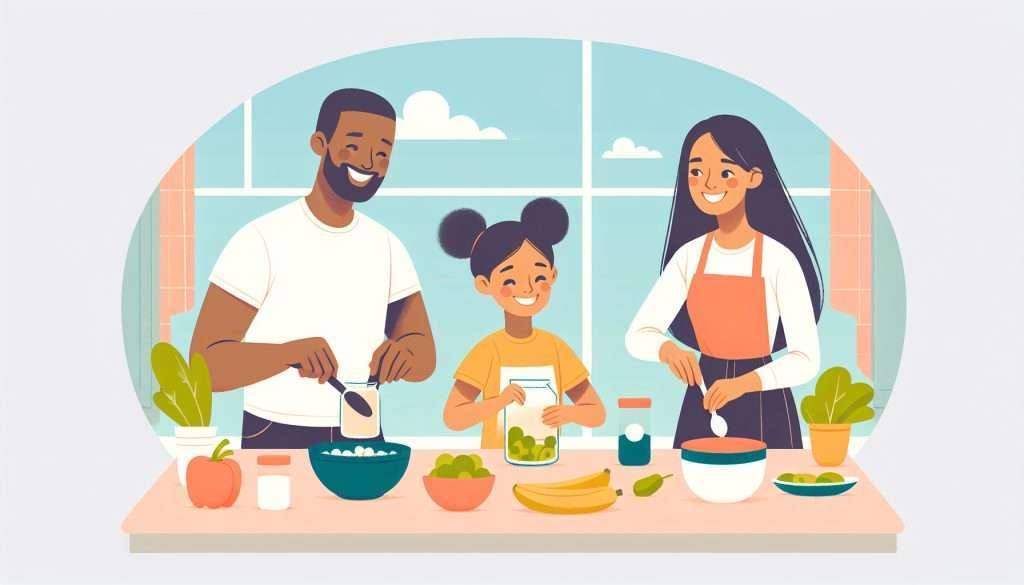
If your child bounds out the door like a small, caffeinated kangaroo, you already know snacks are as important as shoes. The right nibble between breakfast and practice keeps energy steady, focus sharp, and moods less dramatic (which is basically a parenting miracle).
Confession: sometimes we skip the ‘perfect’ AI images and just can’t resist picking the most awkward ones. Hopefully they bring a smile to your face too!
- This guide covers: quick snacks, packable ideas, recovery bites, and allergy-friendly swaps.
- How to build balanced snacks with protein, carbs, fat, fiber, and fluids.
- Simple recipes, packing tips, and picky-eater strategies.
Why Healthy Snacks for Active Kids Matter
Active kids burn fuel fast. A cookie won’t cut it—well, it will give a sugar spike and crash, which is not the same as sustained energy. Smart snacks help with endurance, concentration, and muscle recovery. Think of snacks as mini-meals that tide your kiddo over until the next proper meal.
Benefits in plain English
- Smoother energy between meals (fewer meltdowns).
- Better concentration at school and practice.
- Faster muscle recovery after sports.
- Improved hunger regulation at mealtimes.
Snack Building Blocks — What to Pack and Why
Balance is the secret sauce. A snack that mixes carbohydrates, protein, and a little healthy fat will keep kids going longer and avoid that glazed-over, sugar-high stare.
The essentials (easy cheat-sheet)
- Carbs for quick energy: fruit, whole-grain crackers, rice cakes.
- Protein to sustain: yogurt, nut butter, cheese, hummus.
- Healthy fats for staying power: avocado, nuts, seeds.
- Fiber for fullness: veggies, whole fruits, oats.
- Fluids to hydrate: water, milk, diluted 100% juice after intense activity.
Quick, Kid-Approved Snack Ideas
Below are ideas grouped by situation: five-minute grabs, packable practice snacks, recovery foods, and make-ahead options. Mix and match components from the building blocks above to create balanced combos your child will actually eat.
Five-minute at-home snacks
- Apple slices + a smear of peanut or sunflower seed butter
- Greek yogurt with a sprinkle of granola and berries
- Whole-grain toast + avocado mash + pinch of salt
- String cheese + a handful of whole-grain crackers
- Banana + a small handful of almonds (if no nut allergies)
Packable for school or practice
- Mini pita pockets with turkey and hummus
- Trail mix (whole-grain cereal, pumpkin seeds, dried fruit)
- Mini yogurt tubes (freeze ahead for a cooler)
- Homemade granola bars with oats and nut butter
- Veg sticks + single-serve hummus cup
After-game recovery snacks
- Chocolate milk (yes, it works) + banana — carbs + protein
- Cottage cheese + pineapple chunks
- Whole-grain tortilla roll-up with turkey and cheese
- Smoothie with milk/yogurt, banana, and spinach
- Hard-boiled egg + whole-grain crackers
Make-ahead winners
- Energy balls — oat, peanut butter, honey, mini chocolate chips
- Baked oatmeal squares with fruit and walnuts
- Muffins made with zucchini or bananas and whole-wheat flour
- Overnight oats in jars with fruit and chia
- Pre-packaged snack boxes with cheese, grapes, and nuts
Snacks aren’t bribery. They’re strategy. Feed the engine and the rest runs smoother—until dinner, at least.
—A seasoned parent and snack strategist
Simple, Step-by-Step Snack Recipes Kids Can Help Make
Kids are more likely to eat what they helped make. Here are easy recipes with variations for allergies and tastes.
No-bake Energy Balls (makes ~12)
- Ingredients: 1 cup rolled oats, 1/2 cup nut or seed butter, 1/4 cup honey or maple syrup, 1/4 cup mini chocolate chips or dried fruit, pinch of salt.
- Step 1: Mix everything in a bowl until combined.
- Step 2: Roll into tablespoon-sized balls. Chill 20–30 minutes.
- Variations: Use sunflower seed butter for nut-free, add chia or flax for extra fiber.
Quick Recovery Smoothie
- Ingredients: 1 cup milk or fortified plant milk, 1 banana, 1/2 cup plain yogurt, handful of frozen berries, optional spinach.
- Step 1: Blend until smooth.
- Step 2: Pour into a reusable bottle — freeze overnight for a chilled treat.
- Variations: Add 1 tbsp peanut or soy butter for extra protein (or use protein powder if recommended by your pediatrician).
Packing, Timing, and Real-World Tips
A beautiful snack ruined by sweat and a melted cheese stick is a parenting tragedy. Here are practical tips so snacks survive transit, meet rules, and actually get eaten.
Packing and timing tips
- Pack perishables with an ice pack or freeze yogurt tubes the night before.
- Send snacks 30–60 minutes before intense activity so kids have fuel but aren’t bouncing off walls.
- Choose combos: pair a carb (fruit, crackers) with protein (cheese, nut butter).
- Label containers with contents and any allergy notes for coaches or caregivers.
Picky eaters and allergy swaps
If your kid rejects anything green, don’t despair. Try these gentle swaps and tricks:
- Serve veggies with a favorite dip to increase acceptance.
- Swap nuts for seeds (sunflower, pumpkin) in schools with nut bans.
- Offer small portions of a new food alongside a loved food — no pressure.
- Use fun containers or cut shapes to boost appeal.
When to Be Cautious (and When to Call the Doctor)
Most snack planning is commonsense, but consult a pediatrician if your child shows concerning symptoms: dramatic drops in energy, unexplained weight loss, or persistent stomach pain. Also ask about specific sports nutrition needs if they train intensely.
Parting Wisdom (and a Tiny Dose of Realism)
You don’t need to be a snack artisan. Mostly you need variety, protein, and a little planning. Keep a stash of grab-and-go options, let kids help choose or prep, and rotate ideas so snack time doesn’t become the Culinary Monotony of Doom.
Healthy Snacks for Active Kids are about fueling fun and growth—without turning every pause into a crisis of nutrition. Try a few ideas, watch what your child prefers, and treat yourself to fewer hangry moments. You deserve it.