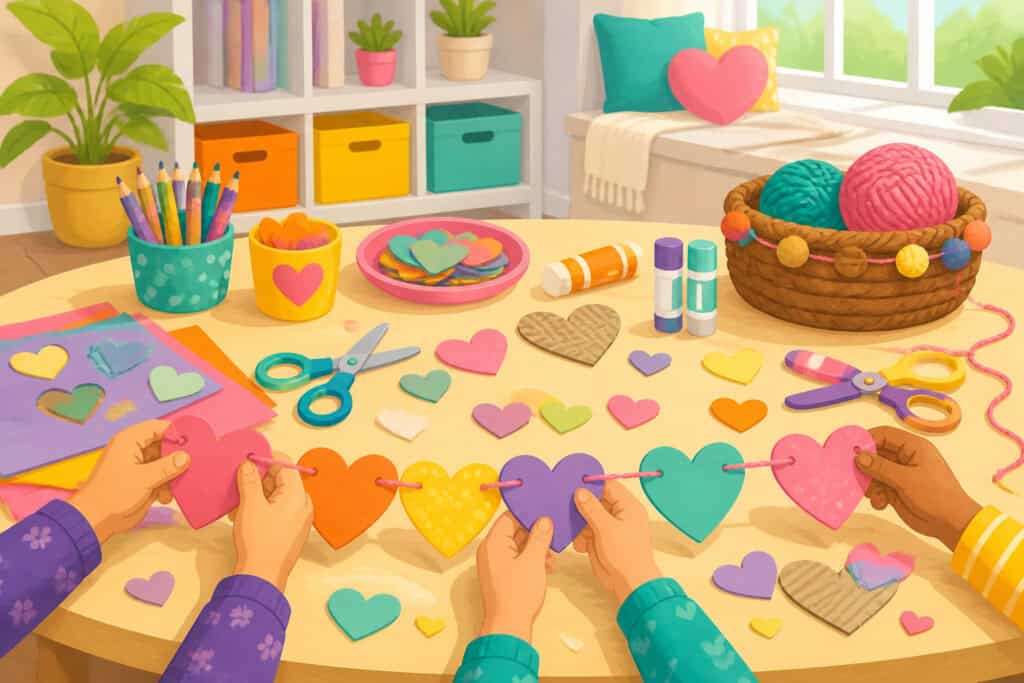
Why a childrens hobby matters (and why yours will too)
Hobbies give kids more than something to do after school. They build identity, patience, confidence, and a tiny mountain of stories you’ll hear over dinner. A childrens hobby can be a safe place to fail, to tinker, to explode glitter and then learn cleanup skills.
Confession: sometimes we skip the ‘perfect’ AI images and just can’t resist picking the most awkward ones. Hopefully they bring a smile to your face too!
Also try: Printable Chore Charts for Kids That Actually Work
If the word hobby makes you think of expensive equipment and unrealistic commitment, breathe. A successful childrens hobby is simple, flexible, and owned mostly by the child — not the parent who secretly organizes their schedule with military precision.
- This guide covers quick-start hobby ideas, how to pick one, low-cost setups, and ways to keep interest high.
- You’ll get step-by-step starter projects and weekly routines that actually fit a family calendar.
- Troubleshooting tips for burnout, sibling rivalry, and when to gracefully bow out.
Picking a childrens hobby without the drama
Start with curiosity, not pressure. Ask open-ended questions and observe more than dictate. Kids are experts at showing you what they love if you watch for it.
Quick checklist to choose a hobby:
- What does the child gravitate toward naturally? (building, drawing, bugs, music, storytelling)
- How much time can your family realistically give? (10 minutes daily beats an hour once a week)
- What’s the budget? Many hobbies scale easily from free to fancy.
Match energy and attention span
Toddlers and early elementary kids usually need quick wins and tactile activities. Tweens can manage longer projects and commitments. Match the hobby to your child’s current energy to avoid frustration.
Low-cost childrens hobby ideas to try this week
Here are hobbies that require little money, teach skills, and can grow with your child. Each idea has a simple starter project so you can begin today.
- Mini gardening: start tomatoes in pots or grow microgreens on a windowsill. Starter: plant three seeds in a pot and track growth.
- Nature journaling: combine drawing with observation. Starter: collect three leaves and sketch them with notes.
- Stop-motion animation: use a phone and a few toys. Starter: create a 10-frame short scene with clay or Lego.
- Simple coding: block-based apps and games teach logic. Starter: make a character move with 5 command blocks.
- Kitchen science: edible experiments that teach chemistry. Starter: make rock candy or a simple vinegar volcano.
Step-by-step starter project: Mini gardening
Materials: small pot, potting mix, seeds (basil or cherry tomato), a marker, and a saucer. Time: 15–20 minutes to plant, then 5 minutes three times a week to water and observe.
- Fill the pot two-thirds with potting mix.
- Plant three seeds about 1 cm deep, cover lightly, and label with the child’s name and date.
- Place on a sunny sill, water gently, and set a simple observation chart: day, small sketch, and one word (smelly, tall, tiny).
- Celebrate first sprout with a tiny reward: a sticker or favorite snack.
Building habits: real-life schedules that don’t ruin family life
Consistency helps a childrens hobby become a habit, but rigid schedules turn hobbies into chores. Aim for tiny, predictable blocks of time and let enthusiasm scale them up.
- Micro-sessions: 10–15 minutes, 3–5 times a week for younger kids.
- Project nights: once a week longer session for crafts, builds, or performances.
- Show-and-tell Sundays: brief family sharing to keep momentum and pride.
Motivation without bribery
Use intrinsic motivators: choices, ownership, and visible progress. Let kids decide project themes or names and display their work where the family can see it.
Troubleshooting: when the hobby fizzles
Hobbies will plateau, and interest will wane. That’s normal. Detecting the cause helps you fix it quickly without escalating into a family drama worthy of a sitcom.
- Boredom: introduce a new challenge or a different medium.
- Overwhelm: break projects into 5–10 minute steps and celebrate tiny wins.
- Peer pressure: connect with a class or friend who shares the interest.
If a child wants to quit, treat it as real information, not defeat. Offer a break, a pivot, or a way to shelve the hobby while keeping supplies accessible. Kids can come back to hobbies like they do to favorite books.
Sibling dynamics and sharing supplies
Siblings can be collaborators or saboteurs. Set simple rules: shared supplies get a sign-out list, agree on time slots for special items, and create a common display area for finished projects.
- Label personal kits with names or colors.
- Create a shared shelf for community supplies.
- Rotate special tools so each child gets exclusive time.
When a hobby becomes a passion
If a childs interest deepens, lean in with targeted support. That might mean a class, a mentor, or a bigger but still measured equipment investment. Keep asking the child what they want — not just what looks good on a college application.
Fun examples and extensions for common interests
Turn a simple hobby into multiple learning paths. Below are ways to stretch five popular childrens hobby choices.
- Drawing: try comics, digital art apps, or a zine to fold and sell to family.
- Building (blocks/LEGO): add story prompts, challenge cards, or scale models.
- Performing (singing/drama): record short videos, create costumes, or host a mini-family show.
- Collecting (rocks/stamps): add cataloguing, research, and display techniques.
- Coding: design simple games, then swap projects with friends for feedback.
Keeping it sustainable: storage, supplies, and sanity
A hobby that crashes the house isn’t sustainable. Designate a small, contained area and limit special supplies. Rotate kits in and out of storage to keep novelty high.
- Use clear bins with labels for quick access.
- Create a ‘one new item’ rule when birthdays arrive.
- Repurpose household items for craft needs before buying more.
Final pep talk for weary parents
Your role is coach, cheerleader, and occasional janitor. You don’t need to be an expert. You need curiosity, patience, and a willingness to be slightly ridiculous sometimes.
A childrens hobby can be a tiny island of joy in the busy sea of routines. Start small, celebrate often, and remember: it’s about the child’s delight, not the perfect project photo for social media.
FAQs
How do I choose the right childrens hobby for my kid?
Watch what your child already loves and ask simple questions. Pick a hobby that matches their energy and fits your schedule. Start with a tiny, low-cost project to test interest before buying equipment.
What are low-cost childrens hobby ideas for small spaces?
Try nature journaling, micro-gardening, stop-motion on a phone, simple coding apps, or kitchen science. These need minimal space and scale easily with household items.
How can I keep my child interested in a hobby long-term?
Use short, regular sessions, visible progress (charts or displays), and occasional new challenges. Offer choices and ownership so the hobby feels personal rather than parent-driven.
When should I encourage a childrens hobby to become more serious?
If the child shows sustained interest for months and asks for deeper tools or lessons, support gradual investment. Prioritize mentorship, small classes, or borrowing equipment before big purchases.