Toy Storage Solutions: Why bother?
If your living room looks like a rogue toy store after a sugar-fueled afternoon, you’re not alone. Toys multiply, batteries disappear, and suddenly the floor becomes a LEGO landmine. Good Toy Storage Solutions don’t just hide the mess — they make play easier and cleanup faster, which means fewer nagging sessions and more actual parenting time.

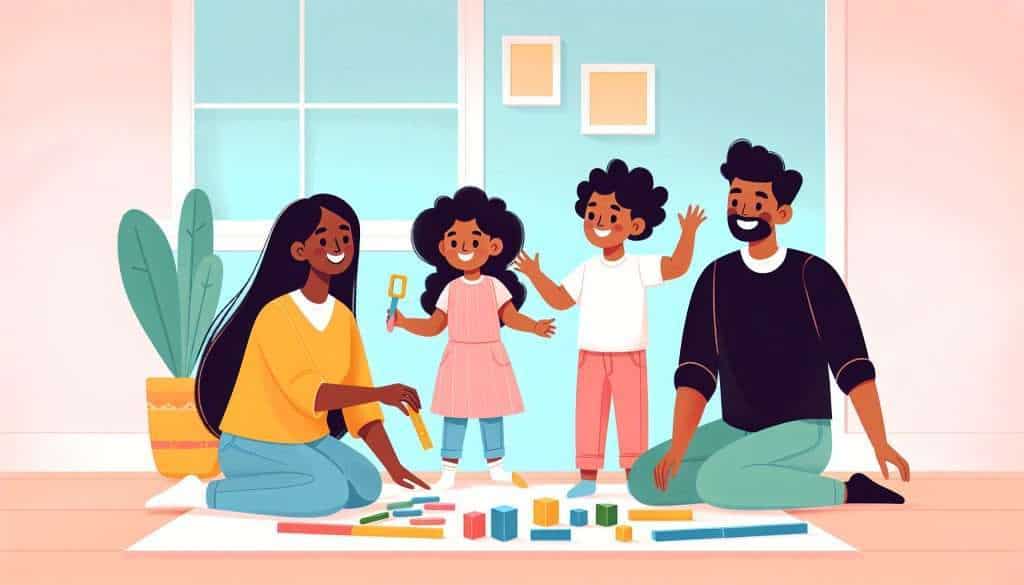
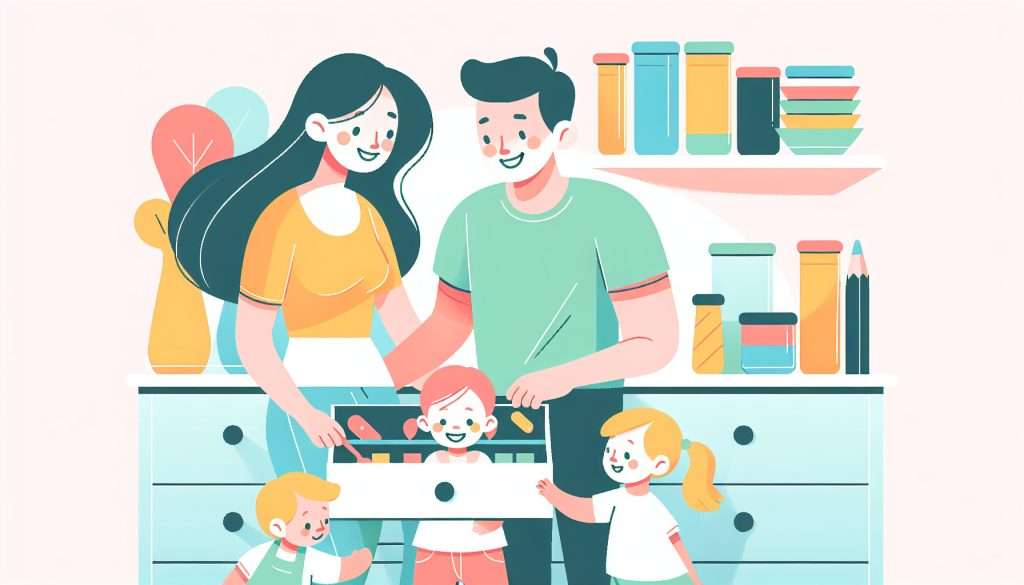
Confession: sometimes we skip the ‘perfect’ AI images and just can’t resist picking the most awkward ones. Hopefully they bring a smile to your face too!
This isn’t about being Pinterest-perfect. It’s about systems that kids can use, that fit your space, and that adults won’t constantly resent.
- This guide covers quick wins you can do today.
- This guide covers long-term systems that grow with your child.
- This guide covers small-space tricks and labeling/rotation strategies.
- This guide covers maintenance routines so the systems actually last.
Quick wins: easy Toy Storage Solutions you can implement tonight
Need immediate relief? These fixes are low-cost, low-effort, and high-return. Think of them as band-aids that happen to be surprisingly stylish.
Sort into broad categories
Kids don’t need perfectly separated puzzles by brand. They need obvious categories. The three-to-five bucket rule is magic: vehicles, dolls/action figures, blocks, art supplies, and dress-up. Keep categories visible and consistent.
- Use clear bins or color-coded baskets so kids know where things go.
- Keep small, dangerous, or age-inappropriate toys out of reach in labeled bins.
- Place frequently used toys at kid-level; rotate the rest.
Adopt the ‘one-minute tidy’ stations
Create two or three grab-and-go stations — baskets by the couch, a bin in the hallway, a tote near the dining table. Each station should take one minute to empty before bedtime. The goal: a quick reduction in clutter several times a day.
Longer-term Toy Storage Solutions that grow with your kids
Temporary fixes are great, but you also want systems that survive toddler tornadoes and middle-school mood swings. These ideas scale.
Open shelving + bins = visible independence
Low shelves with labeled bins give kids access and responsibility. If they can see it, they’re more likely to put it back. Choose shelves sturdy enough to double as a standing play surface for intense LEGO engineering sessions.
- Use shallow bins so toys aren’t buried at the bottom.
- Label with words and pictures for early readers.
- Keep heavier items in lower bins to prevent tipping.
Furniture that hides and helps
Ottomans with lids, benches with cubbies, and coffee tables with storage turn living-room furniture into toy allies. They reduce visual clutter while keeping things accessible.
- Measure before you buy to avoid jungle of mismatched containers.
- Opt for soft-close lids if small fingers are likely to explore.
- Use washable liners for craft messes.
Small-space Toy Storage Solutions
Apartment parents, rejoice. You can have functional toy storage without sacrificing your sanity or your one available wall.
Think vertical and behind doors
Hanging shoe organizers, over-the-door pockets, and wall-mounted baskets reclaim square footage. These are surprisingly great for stuffed animals, small figures, and craft supplies.
- Use an over-the-door shoe organizer for small toys and art supplies.
- Install a few floating shelves higher up for rotation boxes.
- Hang pegboards for dress-up accessories and action-figure gear.
Under-bed and closet corners
Pull-out drawers and slim rolling bins under beds or inside closets store toys you only need occasionally. Keep these for seasonal or reward-based toy rotation.
Rolling bins should be light enough for kids to pull but sturdy enough not to collapse into a pile of mismatched parts.
Labeling, rotation, and keeping it fresh
A great storage system is half physical tools, half smart habits. Labels and rotation reduce overwhelm and increase play value.
Label in toddler language
Use pictures and simple words. A photo of blocks taped to the bin beats a cursive label that reads ‘Construction Units.’ For older kids, add the word below the picture to boost reading skills.
- Photos for toddlers, words for readers.
- Color coding for quick visual sorting.
- Use removable labels so you can change categories easily.
Rotation: fewer toys, better play
Keep a curated selection out and store the rest. Rotate every 2–4 weeks. You’ll be amazed — the ‘new’ toys feel novel, and kids play deeper with fewer options.
Have a ‘swap day’ ritual where kids pick one item to exchange with the storage box. It teaches decision-making and makes the stored toys feel special.
Maintenance: make cleanups painless
Systems fail when the daily routine fights the family schedule. Build simple rituals that don’t feel like another chore on the list.
The five-minute tidy
Set a timer for five minutes at the end of play. Put on a cleanup song. Kids love timers, and a short window is achievable. Make it a game: how many plushies can be rescued before the song ends?
- Pick a short, consistent cleanup cue (song, bell, or the word ‘rescue’).
- Do a quick sweep to return items to their bins.
- Praise or reward with a sticker for teams that finish.
Donate and declutter twice a year
Set calendar reminders for spring and fall toy purges. Let kids choose some items to donate — ownership over the decision reduces tantrums and models generosity.
If a toy hasn’t been played with in six months, consider whether it’s taking space that a more-loved toy could use.
Practical product picks and DIY ideas
Here are tested items and simple DIY tweaks that actually help.
Top product suggestions
- Clear, shallow plastic bins with lids — stackable and inexpensive.
- Open cubby shelving at kid height (IKEA-style units are popular).
- Soft storage ottoman for living rooms where toys need to disappear fast.
- Rolling under-bed drawers for rotation storage.
DIY quick wins
No budget? No problem. Repurpose what you have. Use laundry baskets as temporary stations. Turn a towel rack into a dress-up holder. Tape photos to shoebox lids for instant labeled bins.
Get creative with what’s already in your home; often the simplest idea is the most sustainable.
Final pep talk: systems beat perfection
The perfect Toy Storage Solutions aren’t flashy; they’re used. Choose simple, visible, and kid-friendly options. Teach your kids one tidy habit and be stubborn about it. When cleanups feel like play, the whole home benefits.
You don’t need to overhaul everything at once. Start with one bin, one shelf, and one five-minute tidy. Celebrate small wins and maybe—just maybe—you’ll find a moment to sit down with a hot drink that hasn’t been reheated three times.