

Why Reading Challenges for Kids Work (and why bribery feels tempting)
If the phrase “reading challenge” makes you picture gold stars stapled to a grocery list, breathe easy. The best Reading Challenges for Kids are less about punishment or bribery and more about tiny wins, curiosity, and a steady habit that sticks. Think of these challenges as short adventures that give kids autonomy and succeed where lectures fail.
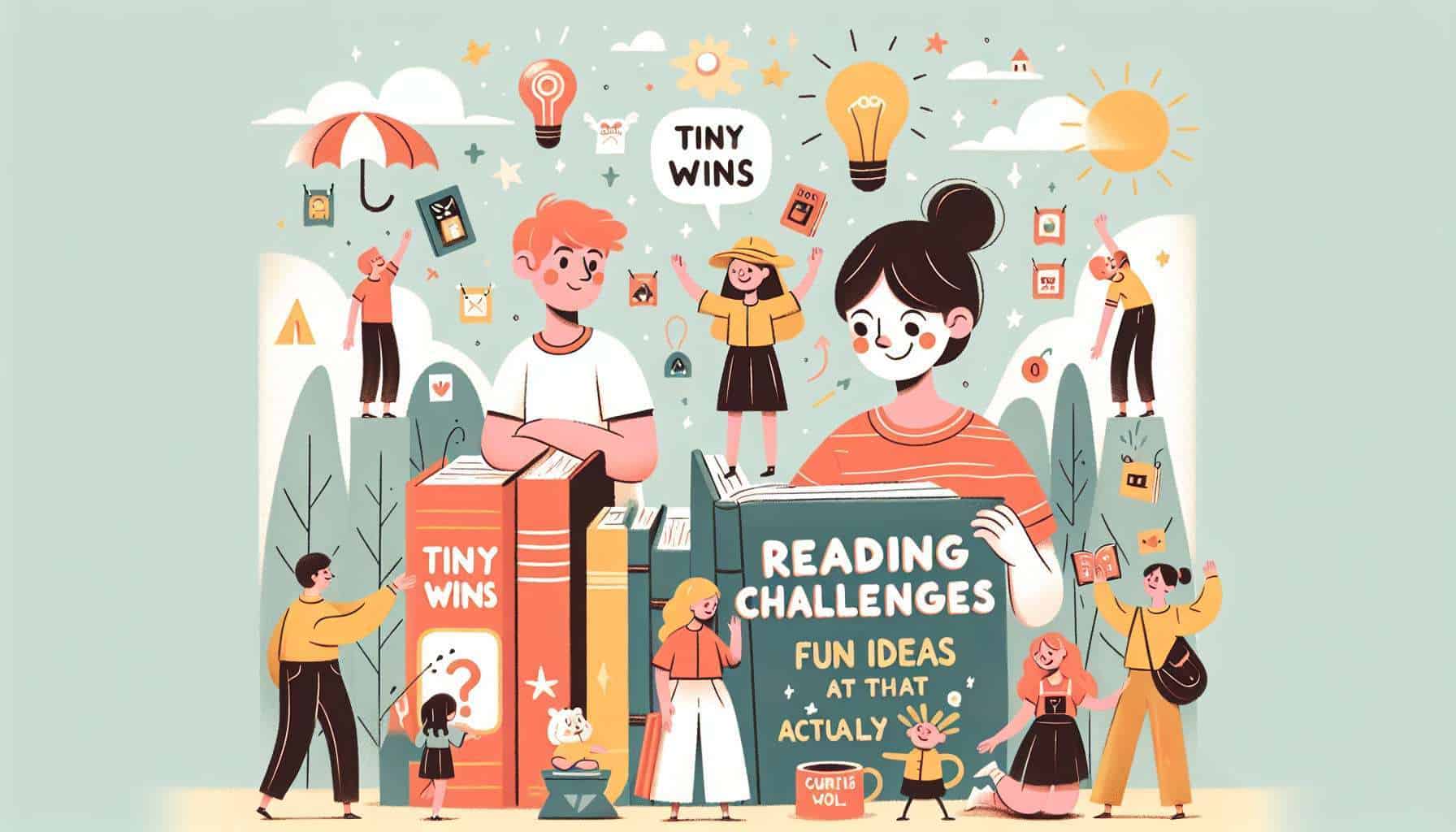
Confession: sometimes we skip the ‘perfect’ AI images and just can’t resist picking the most awkward ones. Hopefully they bring a smile to your face too!
A smart challenge lowers friction, celebrates small progress, and respects time. It also turns you from the nag into the enthusiastic cheerleader — a role most parents secretly enjoy.
- This guide covers how to design a challenge that fits your child.
- It offers age-based challenge ideas and ready-to-use templates.
- You’ll get tracking methods, non-sugary rewards, and troubleshooting tips.
How to design a successful reading challenge
Designing a Reading Challenges for Kids program is mostly about three things: clarity, delight, and a realistic timeline. If you nail those, even reluctant readers will try it — and sometimes they love it.
Step-by-step plan (a 4-week starter)
- Week 0 — Set the mood: pick comfy reading spots, a timer, and 4–8 starter books.
- Week 1 — Begin with tiny daily goals: 10 minutes or one picture book chapter.
- Week 2 — Add variety: a comic, a poetry card, or a silly nonfiction fact.
- Week 3 — Introduce a micro-goal: read to a stuffed animal or sibling.
- Week 4 — Celebrate and choose the next challenge: same structure or a new theme.
Short timelines keep momentum. If your child blossoms, extend the challenge. If not, pivot quickly — change the theme, shorten the goal, or swap the format.
Clear rules that don’t sound like homework
- Keep goals measurable: minutes read, pages, or books finished.
- Limit daily time so it doesn’t feel endless.
- Offer choices: let the child pick the books or themes.
- Use visual trackers so progress is obvious and satisfying.
Reading challenge ideas by age
One size doesn’t fit all. Below are age-friendly Reading Challenges for Kids with practical examples you can start tonight.
Ages 3–6: The Mini-Adventure Challenge
- Goal: 10–15 minutes of shared reading daily or two picture books.
- Format: read aloud, use silly voices, and ask one simple question after each book.
- Variation: ‘Character Dress-Up Night’ — pick a book and wear a hat or cape while reading.
At this age, the goal is positive exposure. Celebrate noticing a new word or repeating a favorite line.
Ages 7–9: The Explorer Challenge
- Goal: 15–25 minutes daily or 3–4 books in a month.
- Format: variety is key — mix chapter books, graphic novels, and short nonfiction.
- Activity: create a simple reading passport — stamp or sticker for each genre read.
Kids at this stage love collecting things. A passport turns reading into a quest rather than a task.
Ages 10–13: The Creator Challenge
- Goal: 20–40 minutes daily or a book every 1–2 weeks depending on length.
- Format: encourage reading plus a tiny creative follow-up like a comic strip, review, or fan theory.
- Variation: ‘Mix-and-Match Month’ — alternate fiction and nonfiction every other day.
Preteens appreciate agency. Let them set a personal goal and choose the reward structure.
Tracking progress (and making it fun)
Tracking doesn’t require spreadsheets. Use tactile, visible trackers and short, consistent check-ins.
- Paper trackers: a chart on the fridge with stickers or washi tape.
- Jar system: each chapter earns a token in a jar toward a group reward.
- Digital: a simple shared checklist app or photos of finished books.
The tracker is the dopamine hit. Choose one that feels cheerful, not punitive.
Rewards that reinforce reading (not just sugar)
- Experience rewards: a picnic with a favorite book or a bookstore outing.
- Privilege rewards: choose dinner, pick a movie, or stay up 15 minutes late to read side-by-side.
- Tangible rewards: small stickers, bookmarks, or a ‘book store credit’ jar.
Keep rewards immediate and proportional. The point is to celebrate reading, not to buy obedience.
Troubleshooting: when the challenge backfires
Sometimes kids resist. That’s normal and fixable. First rule: lower the stakes. Second rule: make it their idea.
- If a child says ‘I hate this,’ switch formats: comics, audiobooks, or graphic novels.
- If it feels like homework, shrink the daily goal to 5 minutes for a week.
- If the tracker becomes a source of shame, remove it and restart after a reset day.
You can also gamify the restart: a ‘Fresh Start Weekend’ with new books and zero expectations.
Group and family reading challenges
Reading can be a team sport. Family and classroom challenges leverage social momentum and make reading part of your household culture.
- Family bingo: create a 5×5 bingo card with reading tasks like ‘read a recipe’ or ‘read under a blanket.’
- Book relay: each family member reads a chapter aloud on a road trip.
- Classroom: genre passport shared between students with teacher stickers.
Team challenges are great for accountability, but be careful: avoid public leaderboards for kids who prefer quiet progress.
Quick starter templates you can copy tonight
- The 7-Day Sampler: 10 minutes per day, one new genre each day.
- The Weekend Marathon: three short books over Saturday and Sunday with hot chocolate.
- The Buddy Read: read the same book as a friend and swap sketches or notes.
Pick one template, adapt the timing to fit your family, and try it for one challenge cycle (2–4 weeks).
Final tips (from parents who’ve been there)
- Celebrate small victories loudly and awkwardly — kids secretly enjoy it.
- Rotate challenges seasonally to keep novelty alive.
- Model reading: your kid notices when you read too.
- Be willing to drop a challenge early and start fresh.
Reading Challenges for Kids should feel like a series of small, winnable quests. Keep them playful, kind, and short enough to finish. The goal is habit and joy, not flawless completion.
Ready, set, read!
Choose one tiny idea from this post and start tonight. Even five minutes counts. And when in doubt, let the child pick the next book — autonomy is magic.
FAQs
What are good Reading Challenges for Kids who hate reading?
Start tiny and visual. Try 5–10 minutes of read-aloud, comics, or audiobooks. Offer choices and a low-pressure tracker like stickers on a fridge chart. Swap formats quickly if interest wanes.
How long should a reading challenge last for elementary kids?
A 2–4 week cycle works best. It’s long enough to build habit and short enough to keep novelty. Use weekly check-ins and adjust goals if it feels like homework.
Can reading challenges improve reluctant readers’ skills?
Yes. Regular, short practice builds stamina and vocabulary. Mix in audiobooks and read-alouds to improve comprehension. Celebrate progress rather than flawless accuracy.
What rewards work best for Reading Challenges for Kids?
Choose rewards that reinforce reading: bookstore trips, extra reading time with a parent, or choosing the next family activity. Keep rewards immediate and modest to avoid creating extrinsic dependence.


