

Preschool activities at home: why it matters (and how to survive)
If you think preschool activities at home mean tracing letters for an hour while your child stares blankly into the void, let me save you the trauma. Preschool learning is best when disguised as play, full of hands-on stuff, tiny victories, and the occasional artistic catastrophe you can hang on the fridge.
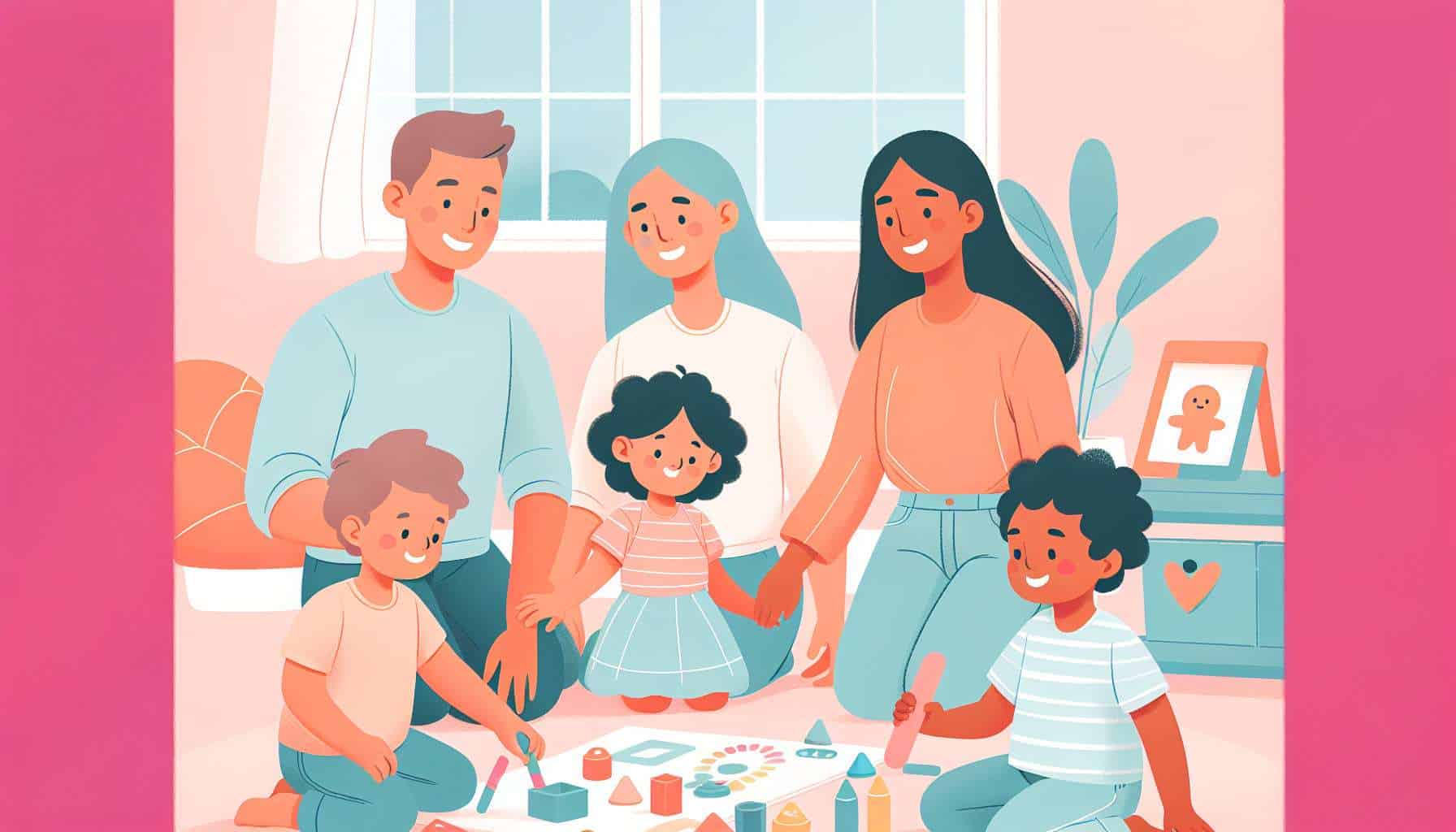
Confession: sometimes we skip the ‘perfect’ AI images and just can’t resist picking the most awkward ones. Hopefully they bring a smile to your face too!
Also try: Kindergarten Students Activities: Playful, Easy Ideas
These activities build vocabulary, fine and gross motor skills, problem solving, and independence — all without turning your living room into a permanent sensory bin. Read on for step-by-step ideas, quick swaps, and a realistic weekly plan.
- This guide covers quick sensory play, art projects, movement games, and simple literacy and math activities
- Step-by-step instructions and easy variations for different ages and abilities
- Tips for setup, transitions, and keeping your sanity
Quick setup: materials, zones, and the three-minute miracle
You do not need a craft closet the size of a small country. A few multipurpose items plus a small, labeled box turn chaos into curriculum. Call it the ‘three-minute miracle’ — a 3-minute clean-or-prep rule that saves relationships.
- Basic box: glue stick, child-safe scissors, crayons, washable markers
- Loose parts: buttons, pasta, pom-poms, cardboard tubes
- Sensory staples: rice, oats, playdough (store-bought or homemade), shallow bin
Sensory activities that teach without ‘teaching’
Playdough invitation — sculpt, count, chat
Roll out a small ball of playdough, provide cookie cutters and a rolling pin, and give a prompt: ‘Can you make 3 animals with spots?’ Prompts build language and counting without drilling.
Variations: – Use themed mats (farm, ocean) for storytelling – Add tiny alphabet beads to practice first letters – Make scented dough for extra sensory language (lemon, cinnamon)
Rainbow rice bin — scooping, measuring, color words
Fill a shallow bin with dyed rice (rice + vinegar + food coloring, dried), hide small toys, and add scoops, funnels, and cups. Ask your child to find all the blue things, pour 1 cup, or fill three small containers.
Skills: fine motor control, color recognition, early measurement language. Keep a tray underneath for easier clean-up.
Art and fine-motor projects (minimal mess, maximum pride)
Sticker stories — narrative building with zero glue required
Give a sheet of stickers and a folded paper ‘book.’ Invite your child to place stickers and tell a story about them. Ask questions: ‘Why is the dog wearing boots? Where is he going?’
Why it works: stickers improve pincer grasp and encourage expressive language. Add a tape ‘stage’ for dramatic retelling.
Salt-dough name plates — baking meets literacy
Mix 2 cups flour, 1 cup salt, 1 cup water. Roll, press letters (or cookie cutters), and bake at low heat until hard. Paint and hang on their bedroom door.
Skills: letter recognition, sequencing of letters in their name, fine motor. Variation: press stamps to make textures or add a magnet on the back for fridge art.
Literacy and language games (short, repeatable, silly)
Story-sack puppet reading
Choose a favorite book and put related ‘props’ in a small sack — a toy frog for a frog story, a leaf for a nature tale. Pull one out during reading to deepen comprehension and prediction skills.
Quick tip: use a puppet to ask your child questions — kids answer a puppet more generously than a parent. Trust me.
Letter scavenger hunt
Say a letter or sound and have your child find something in the room that starts with it. For older preschoolers, try ‘find something with the same sound as cap.’
Keep it active: carry a small basket to ‘collect’ finds. This builds phonemic awareness without flashcards.
Math, sorting, and early logic
Sock-sorting laundry game
Turn folding laundry into a game. Match socks by color, size, or pattern. Time each round and encourage speed and accuracy.
Benefits: pattern recognition, pairing, life skills. Also, fewer orphan socks haunting your house.
Pattern bracelets
Use colored beads or cereal on yarn to create AB, AAB, or ABC patterns. Ask your child to copy and then create their own sequence.
Variation: use stickers on index cards to create pattern cards to follow.
Gross motor and energy busters
Indoor obstacle course
Use couch cushions, tape lines, hula hoops, and chairs to build a course. Include tasks: ‘crawl under’, ‘hop on one foot’, ‘carry a beanbag without dropping it.’
Skills: balance, sequencing, following directions. Make it academic by adding letter or number stations to ‘visit’ along the way.
Freeze dance with role cards
When music stops, show a card: ‘act like a sleeping cat’ or ‘show me three fingers.’ Builds impulse control and listening skills while burning energy.
Routines, transitions, and quiet time hacks
Transitions are where the day actually happens. Preschool activities at home work best when tied to predictable routines: snack, story, play, and nap/quiet time.
- Use a visual timer (sand timers or apps) so kids know how long ‘clean-up’ lasts
- Offer two choices during transitions to keep control gentle (choose book A or book B)
- Keep a ‘calm corner’ with headphones, soft toys, and books for independent wind-down
Tips for success: realistic, repeatable, and low-stress
You don’t need a new activity every day. Repetition builds confidence. Rotate three boxes of activities and your child will discover depth over time instead of chaos every afternoon.
- Rotate activities on a weekly basis — fewer choices = better focus
- Follow the child’s lead: extend what they’re already loving
- Set a timer for independent play; most preschoolers can do 10–20 minutes solo
- Label bins with words and pictures to encourage literacy recognition
Sample weekly plan (30–45 minute blocks)
A sample rhythm reduces decision fatigue. Pick one sensory, one art, one movement, and one literacy slot each day. Mix easier independent tasks with parent‑led moments.
- Monday morning: sensory bin + story sack in the afternoon
- Tuesday: playdough small-group (you help) + obstacle course post-nap
- Wednesday: sticker stories + letter scavenger hunt
- Thursday: salt-dough name plates (bake later) + freeze dance
- Friday: pattern bracelets + family clean-up game
When to add more structure (or less)
If your child is asking for letters, counting, or more ‘lessons,’ scale up with short, intentional 5–10 minute mini-lessons. If they resist, back off and return to playful invitations. The best sign of readiness is curiosity, not compliance.
Final note: keep it playful, keep it human
Preschool activities at home don’t have to look like school. They should be messy, flexible, and anchored in relationship. Save the forced worksheets for another planet and choose a game that makes your child giggle — that giggle is the secret teacher.
If you take one thing away: pick three activities you can set up in under five minutes, rotate them, and celebrate small wins. You’ve got this — and your future self (and your kid) will thank you.
FAQs
What are the best preschool activities at home for a 3-year-old?
Focus on sensory play, simple art, and short movement games. Examples: a rice bin with scoops, sticker storybooks, and a 5–10 minute indoor obstacle course. Keep prompts simple and repeat activities for mastery.
How long should at-home preschool activities last?
Short and sweet: preschoolers thrive on 10–30 minute blocks depending on the task. Aim for 2–4 activity blocks per day mixed with free play and routines.
Can I use household items for preschool activities at home?
Absolutely. Use pasta, beans, cardboard, socks, and safe kitchen tools. Common items work great for counting, sorting, building, and sensory bins — no specialty gear required.
How do I keep preschool activities at home from getting too messy?
Designate a contained workspace (tray, table, washable mat), use washable supplies, and apply the 3-minute prep/cleanup rule. Involve your child in cleanup to teach responsibility and reduce your workload.


