Start Here: a calm plan for teaching kids to ski
Teaching children to ski is one of those parenting wins that comes with extra laundry and occasional face-plants. Relax: kids are hardwired to love sliding, falling, and trying again. Your job is to make the first steps safe, fun, and inconveniently adorable.
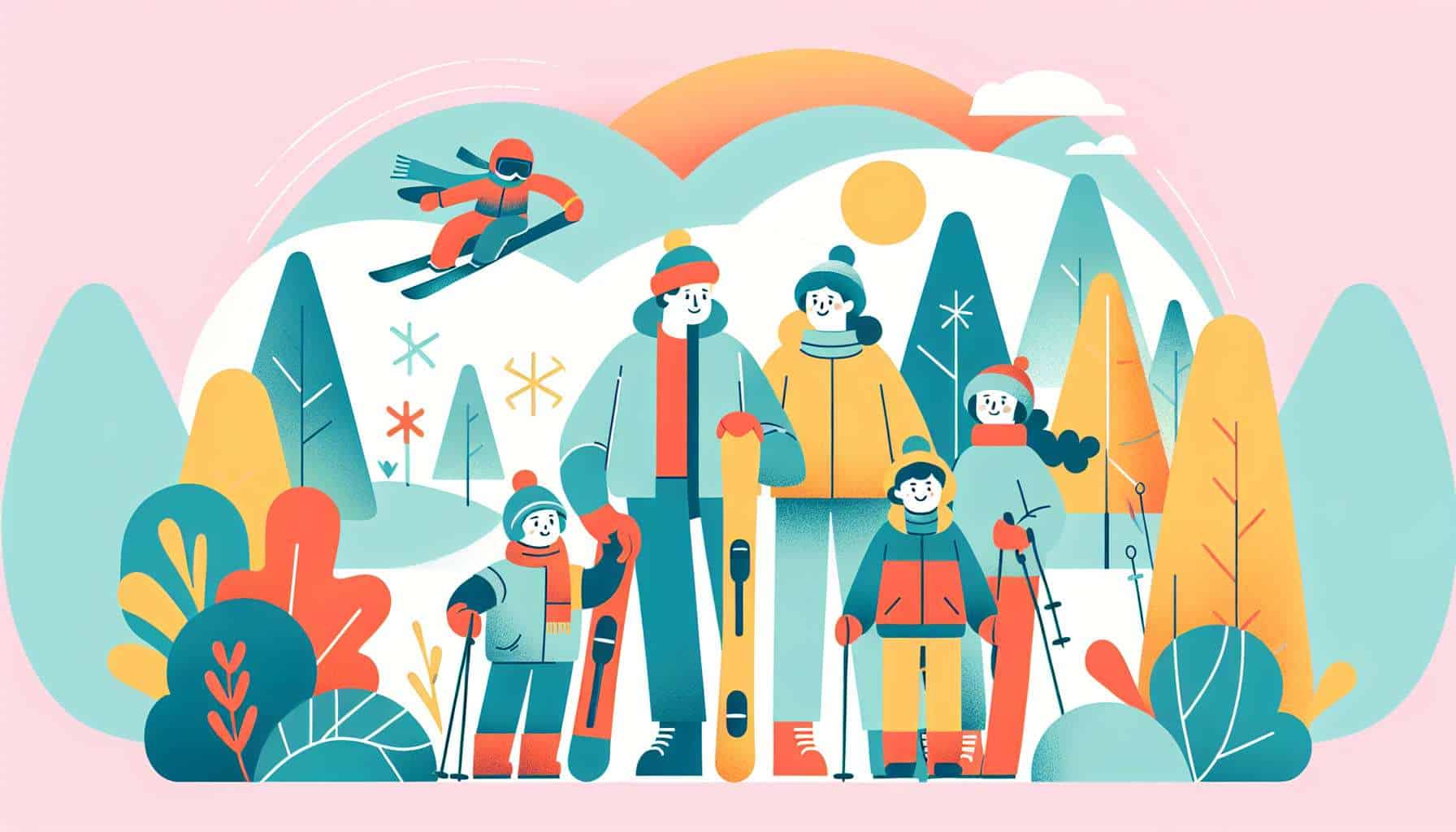
Confession: sometimes we skip the ‘perfect’ AI images and just can’t resist picking the most awkward ones. Hopefully they bring a smile to your face too!
Also try: Family Hiking Tips for Beginners: A Parent’s Guide
This guide uses short, practical steps and games so you can actually remember them on a busy mountain morning. No PhD in physics required — just patience, snacks, and a sense of humor.
This guide covers:
- What age to start and what to expect
- The right gear and how to fit it (yes, boots matter)
- At-home drills and first-hill steps
- Games, motivation tricks, and safety tips
- How to progress without burning out
When to start and what ‘ready’ looks like
There’s no single correct age. Many kids start between 3 and 6 with excellent results. Younger children can play on skis or snowplanks, while 4–6-year-olds often take to turning and stopping quickly.
Signs a child is ready:
- Can follow simple instructions
- Has basic balance and can walk steadily on different surfaces
- Is excited (or at least curious) about snow, not terrified
- Can handle short bursts of cold with proper clothing
Gear: what you actually need (and what you don’t)
Good gear reduces crying. Bad gear causes cold toes, stomped tantrums, and mysterious complaints about ‘ski boot sand.’ Focus on fit and function over flashiness.
Essentials
- Properly fitted ski boots — comfort beats stiffness for beginners
- Short, soft skis sized by child’s height (rising to about chin height for first skis)
- Helmet certified for snow sports
- Layered clothing and waterproof outerwear
- Goggles or sunglasses and sunscreen
Nice-to-haves that make life easier
- Hand warmers and warm snack stash
- Ski straps or a simple harness for toddlers (use cautiously and briefly)
- Ski lessons voucher — sometimes a pro’s patience is worth the dough
At-home practice before you hit the hill
Before dragging the whole family to the gondola, teach a few basics at home or in the backyard. Short sessions win: three fun minutes beat thirty frustrated ones.
Balance and stance drills
- Shoe-ski balance: strap older, wider shoes to the feet and have your child walk and wiggle on grass or carpet.
- Magic pizza and fries: teach ‘pizza’ (snowplow stop) by making a triangle with feet; ‘fries’ for parallel skis.
- Chair-sit practice: have them sit in an invisible chair to find knees-bent, weight-forward stance.
First day on the snow: a step-by-step lesson for parents
Keep expectations low and celebrate micro-wins. The goal of Day One is: comfortable in boots, moving forward, and smiling more than crying.
Step 1 — The zero-move warm-up
Let them stomp around in boots on flat snow. Point out the funny clompy sounds. Make it a game: who can make the biggest crunchy footprint?
Step 2 — Gliding and falling safely
Gently push them while they stand on skis so they feel sliding. Teach how to fall safely (tuck arms in, relax) and how to get up without losing skis.
Step 3 — The snowplow (pizza) and stopping
Show the pizza shape on a gentle slope. Push them slowly and let them practise opening to slow down. Make it silly — call each wedge a ‘mountain slice.’
Step 4 — Turning with games
Use visual targets: a colored cone, a parent waving a mitten, or a stuffed animal. Ask them to ‘turn to the green frog’ and praise wildly when they succeed.
Teaching techniques that actually work
Kids learn best through play. Mix short drills with games, snacks, and novelty. When they’re tired, stop. Today’s short, happy memory is tomorrow’s eagerness to return.
- Limit instruction to one idea at a time — too many cues cause shutdown
- Use demonstration plus simple words: ‘bend knees,’ ‘look where you want to go,’ ‘big pizza stop’
- Praise effort over perfection and narrate wins: ‘Nice try, you tried the pizza and slowed down!’
Games and motivation: make practice feel like play
Replace ‘practice drills’ with activities that sneak in technique. Kids don’t need to know that’s what you’re doing.
- Follow-the-leader on a gentle slope — parent leads with exaggerated moves
- Treasure hunt: pick up soft items while sliding slowly
- Red light / green light — great for stopping practice and impulse control
Safety, falls, and the art of the quick recovery
Safety is mostly common sense and preparation. Helmets are mandatory for kids. Teach how to fall and how to get up. Remind them that snow is forgiving (until it isn’t).
- Check bindings — have a shop set release according to weight and skill
- Dress in layers; bring a change of mittens
- Stick to green runs and practice areas for many sessions
Progressing: from snowplow to confident turns
Once they can stop and make gentle turns, gradually add distance, longer runs, and small challenges. Move one variable at a time: steeper slope, longer run, faster speed.
Practice sessions should stay short. A rule of thumb: one run for each year of age, then stop. So, five runs for a five-year-old — adjust for mood and fatigue.
When to get a lesson (and when you’re the right instructor)
Pros are great for technique and patience — they do this for a living and have more tricks than your tired brain. Book an early morning lesson when the child is rested.
You’re the right instructor if you can stay patient, keep things playful, and accept that progress might be tiny but real. Combine a pro lesson with family fun time.
Troubleshooting common problems
- Refuses to put on boots: try a short outside walk in boots first, then reward with a hot chocolate
- Freezes in fear: back up to a flatter area and do zero-pressure sliding games
- Won’t stop turning into tantrum mode: end on a high note and try again another day
Final pep talk for parents
Teaching kids to ski is less about perfect form and more about creating a safe, joyful loop of attempt, small success, and celebration. You may end every run smelling faintly of sunscreen and hot cocoa, but you’ll also be building memories and resilience.
Keep sessions short, focus on fun, and bring snacks. You’ve got this — and someday they’ll ski past you and call back, ‘Thanks, Mom/Dad!’ or possibly ignore you entirely while Snapchatting. Either outcome is progress.
FAQs
At what age is it best to start teaching kids to ski?
Many children start between ages 3 and 6. Look for basic balance, the ability to follow simple instructions, and curiosity about snow. Younger toddlers can try snowplay and sliding with supervision.
Do I need a professional lesson or can I teach my child to ski myself?
A pro lesson can accelerate technique and offer patient repetition. If you’re patient, keep things playful, and focus on short sessions, you can successfully teach basic skills at home and on gentle slopes.
What gear is most important when you teach kids to ski?
Prioritize properly fitted ski boots, a helmet, and short beginner skis. Dress in layers and bring spare mittens. Correct boot fit beats flashy jackets for comfort and control.
How long should a first ski lesson be for young children?
Keep it short — 1 to 2 hours max, often split with breaks. Young kids learn in small bursts; aim for multiple short, positive sessions rather than one long day.
How do I keep my child motivated during lessons?
Turn drills into games (treasure hunts, follow-the-leader), celebrate tiny wins, use snacks as rewards, and never force a session when they’re cold or exhausted. Fun and short sessions build long-term enthusiasm.