Why fun outside activities matter (and don’t have to be Pinterest-perfect)
You don’t need a trampoline, a tote of artisanal play dough, or a PhD in activities to give kids an amazing outdoor afternoon. Fresh air, a little dirt, and a tiny bit of structure are the secret sauce.

Confession: sometimes we skip the ‘perfect’ AI images and just can’t resist picking the most awkward ones. Hopefully they bring a smile to your face too!
Also try: Best Backyard Games for Families: Fun for All Ages
These fun outside activities help burn energy, improve mood, and build curiosity. They also give parents a few minutes of sanity. Win-win.
- This guide covers: quick games for short bursts of chaos
- This guide covers: scavenger hunts and nature explorations
- This guide covers: DIY obstacle courses, water play, and crafts
- This guide covers: safety tips, variations by age, and rainy-day ideas
Quick 5–15 minute games for immediate gratification
When time is short and energy is high, reach for micro-games that create big smiles. These are perfect after school, before dinner, or whenever a meltdown looms.
- Freeze Dance (play music, pause—everyone freezes): great for toddlers to tweens.
- Quick Relay Races (sock slide, spoon-and-ball, or hop like a frog): set a timer for three rounds.
- Animal Tag (call an animal and everyone moves like it): adds giggles and imagination.
Benefits: instant mood boost, burns energy, minimal setup. Pro tip: keep a small ‘game box’ in the garage with a ball, chalk, and a cheap timer.
Scavenger hunts and nature exploration (kids’ outdoor activities that teach)
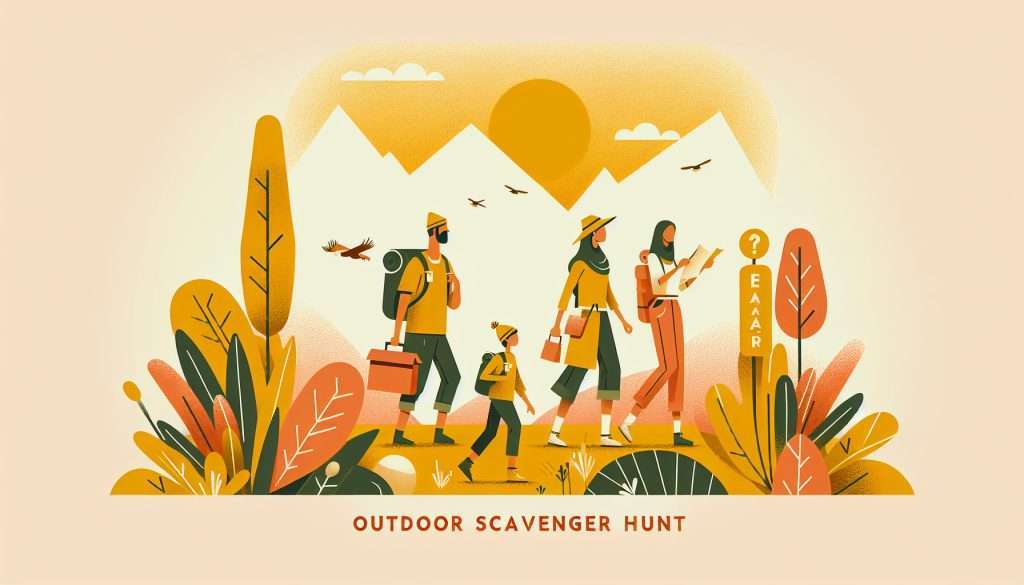
Scavenger hunts turn a walk into a mission. They’re flexible, free, and endlessly repeatable. Tailor difficulty to age and area.
How to set up a nature scavenger hunt
- Choose a safe boundary: backyard, park loop, or sidewalk route.
- Make a list with pictures for little readers and words for older kids.
- Include sensory items: something soft, something that smells, something crunchy.
- Add a camera task: ‘Find a leaf with a tiny insect and take a picture.’
To score: match items, photograph them, or collect a small natural sample (check park rules). Variation: themed hunts—colors, shapes, insects, or sound hunts where kids list birds, cars, or frogs.
Build a backyard obstacle course: step-by-step
Obstacle courses are magical because they combine problem-solving, movement, and ridiculous levels of cheering. Use what you have and rearrange daily for new challenges.
- Step 1: Map a loop—start and finish visible to adults.
- Step 2: Use cones, pool noodles, chairs, and jump ropes as stations.
- Step 3: Add tasks: crawl under a towel, hop over a pillow, balance on a chalk line.
- Step 4: Time kids and encourage personal bests rather than competition.
Age variations: toddlers get simpler tasks and soft obstacles; older kids get timed challenges, memory tasks at stations, or incorporate learning (solve a quick puzzle to move on).
Water play and sensory fun (easy, cooling, supervised)
Water play is a summer superhero for toddler energy and sensory learning. It’s cheap, calming, and washable.
- Big tub with cups, funnels, and spoons for pouring practice.
- Sprinkler limbo or scooter races through a mist for older kids.
- DIY water table: use a shallow bin with toys, measuring cups, and floating items.
Safety note: never leave young children unattended around water, even a shallow tub. Shade and sunscreen extend outdoor play time without turning you into a lobster.
Creative outdoor crafts and messy art (let them get gloriously dirty)
Outside is the perfect place for mess. Embrace it. You’ll get dirty, but you’ll also get masterpieces and memories.
- Sidewalk chalk murals: challenge kids to create a town, zoo, or outer space.
- Nature crowns: glue (or tie) leaves, flowers, and twigs to cardstock.
- Mud pie kitchens: bowls, spoons, and a little imagination go a long way.
Variation: create a ‘gallery walk’ to display artworks on a fence with clothespins. Invite neighbors to a mini-opening—bribes parents and builds community.
Backyard camping and night-time activities
You don’t need a national park to stargaze. Backyard camping makes bedtime an adventure and is shockingly low-effort.
- Pitch a tent, bring snacks, and tell two-minute ghost stories (keep them short and silly).
- Constellation hunt: download a free stargazing app and point out Orion or the Big Dipper.
- Glow-stick games: ring toss, hide-and-seek with glow bracelets, or glow-in-the-dark bowling.
Tip: for anxious sleepers, try a backyard ‘campout’ with the tent pitched in the living room first. Then graduate to the grass.
Rainy or cold-weather outside activities (yes — go outside!)
Don’t let a sprinkle scare you. With boots and the right attitude, rainy days become epic.
- Puddle jumping relay: mark start and finish and see who splashes highest.
- Leaf-sledding: use a tarp or cardboard on a gentle hill for a low-tech sled.
- Nature journaling under an umbrella: sketch, stick leaves into a notebook, and note weather changes.
Cold-weather spin: snow painting with food coloring in squirt bottles, or make an obstacle course in the yard using shoveled paths.
Gear, safety, and cleanup tips (so you survive to play another day)
A little prep makes outdoor activities easier. You don’t need fancy gear—just a few basics that save time and tears.
- Essentials: sunscreen, hats, a first-aid kit, bug spray, and water bottles.
- Quick cleanup tools: baby wipes, a small broom for mud tracks, and an old towel for car seats.
- Storage: use a plastic tub or ‘fun bag’ to keep balls, chalk, and bubbles together.
Check for hazards before play: sharp sticks, poisonous plants, or busy roads. Teach kids a basic ‘stop and look’ and a clear boundary.
Making outdoor time a habit (realistic parenting hacks)
Routines beat inspiration. If outside time is random, it won’t stick. Make it part of the day the way teeth brushing is (except more fun).
- Set a recurring ‘outside first’ rule: 15 minutes outside before screens after school.
- Create a simple checklist kids can follow: water, hat, shoes, game choice.
- Model it: bring your coffee, do a 5-minute stretch, and show that you value being outside too.
If naps or schedules complicate things, try micro-sessions: two 10-minute bursts are better than none. Keep expectations flexible and celebrate small wins.
Age tweaks: making activities work from toddlers to tweens
Scale activities to fit attention spans. The same outside idea can be simplified or upgraded in minutes.
- Toddlers: short, supervised sensory play and simple movement tasks.
- Preschool: scavenger hunts with picture cards and creative art time.
- School-age: obstacle courses with challenges, team games, and nature projects.
- Tweens: design-your-own challenge, longer hikes, or photography tasks.
Let older kids lead. They love being in charge and it buys you a break. Ask them to design the hunt, call the rules, or judge the art show.
FAQs
What are easy fun outside activities for toddlers?
Keep it simple: water tubs with cups, bubble chasing, short scavenger hunts with picture cards, and sandbox play. Supervise closely and rotate toys to keep interest.
How do I plan outdoor activities for different ages?
Start with one core idea (hunt, course, craft) and scale tasks: toddlers get simpler steps, older kids get timers, puzzles, or team roles. Let older kids create variations.
Are these fun outside activities weather-dependent?
Not really—many adapt to weather. Rain becomes puddle play, snow becomes painting, and shade with thermoses makes hot days tolerable. Dress for the elements.
How can I keep outdoor play safe without being a helicopter parent?
Set clear boundaries, do a quick hazard sweep, teach basic rules (stop at the driveway, check-in at X time), and use age-appropriate supervision. Encourage independence gradually.