

What the tree of life means for families
The tree of life meaning family is one of those images that sneaks into wedding vows, nursery art, and grandparent tattoos — and for good reason. It’s a visual shorthand for roots, growth, connection and the messy, beautiful way lives intertwine. As parents we like symbols that do emotional heavy lifting without a long explanation.
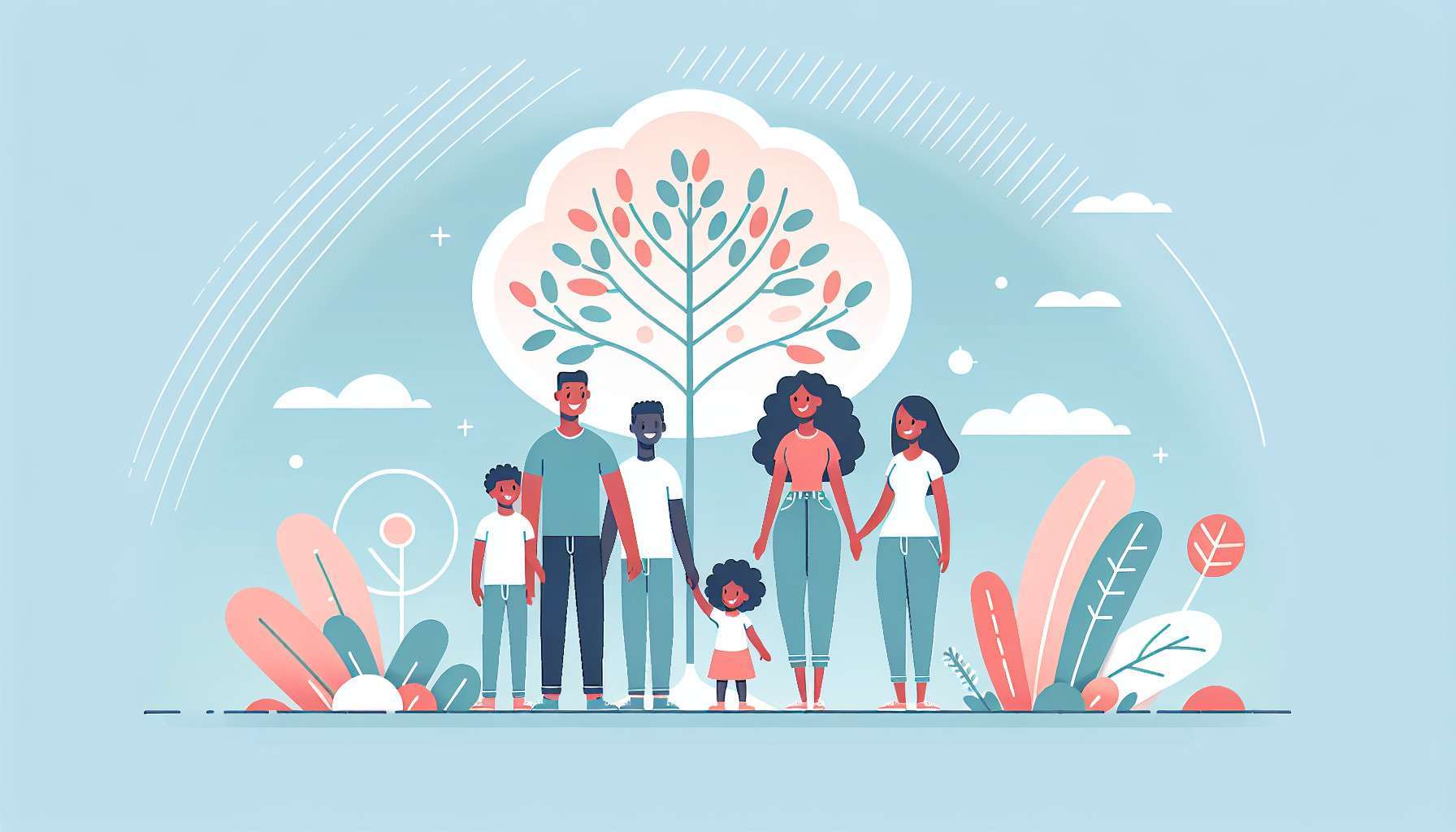
Confession: sometimes we skip the ‘perfect’ AI images and just can’t resist picking the most awkward ones. Hopefully they bring a smile to your face too!
Also try: Farm Family Life: Real Days, Real Joys
- This guide covers: the symbolism behind the tree of life meaning family
- Simple crafts, rituals and keepsakes you can do with kids
- Conversation starters to pass the story and values down
Think of this as a friendly, slightly sarcastic parent-to-parent chat: the tree of life doesn’t fix sibling squabbles, but it gives you a story and a set of actions that can. Below are origins, practical ideas, and step-by-step projects that turn a lovely concept into everyday family glue.
Origins and core symbolism
Roots, trunk and branches — what they symbolize
Different cultures tell slightly different versions, but most agree on three simple ideas:
- Roots: ancestry, where you come from and the support below ground.
- Trunk: the present — shared values, family strength and resilience.
- Branches: future generations, individual paths and connections beyond the home.
Why this matters to parents
As parents, we’re not just raising kids; we’re passing stories, habits, and a sense of belonging. The tree of life meaning family gives form to that work. It helps kids visualize abstract ideas like heritage, responsibility and how one small seed — a single story or ritual — can grow into something big.
Ways families use the tree of life
Family trees and genealogy, made friendly
The classic: a family tree chart. But before you break out genealogy software and five hours of scanning, try kid-friendly versions that spark curiosity without guilt.
- Start with a ‘roots and branches’ poster: kids draw their grandparents in the roots, parents on the trunk, and siblings on branches.
- Use photos or simple icons instead of names for younger children.
- Make it tactile: glue dried leaves, fabric swatches, or recipe cards that belong to relatives.
Daily rituals that reinforce connection
Rituals don’t have to be dramatic. The tree of life meaning family is perfect for small, repeatable acts that tie days together.
- ‘Leaf of the Day’: each evening a child names one good thing they did; write it on a paper leaf and add it to a family tree display.
- An annual ‘ring’ check-in: on a simple wooden ring or token, everyone notes a goal — like rings that show growth.
- Birthdays as branch markers: on each child’s birthday add a new branch ornament describing a wish or value for the year.
Keepsakes, gifts and heirlooms
Turn the symbol into lasting things that carry meaning across time. These are the items that will make relatives tear up at holidays (in a good way).
- Handprint tree canvas: each family member adds a painted handprint as leaves.
- A wood-burned family tree cutting board with names carved on the trunk — functional and sentimental.
- A digital slideshow of ancestors shown once a month at dinner to keep stories alive without lectures.
Step-by-step projects you can start this weekend
Project 1: Paper-leaf family tree (ages 3+)
Quick, cheap, and great for toddlers and school-age kids. You’ll need: a large piece of paper or poster board, markers, scissors, tape or glue, and colored paper for leaves.
- Draw a simple trunk and branches in marker; let the kids personalize it with doodles.
- Cut leaf shapes together; on each leaf write someone’s name or a small memory.
- Attach leaves to branches with tape or glue. Hang on a wall and add to it over time.
Project 2: Clay roots keepsake (ages 6+)
A tactile weekend project that becomes a durable memento. You’ll need air-dry clay, a rolling pin, a shallow dish or mold, and permanent markers.
- Press clay flat and shape into a round plaque. Carve a simple tree silhouette with a toothpick.
- Press each family member’s initial or a tiny symbol into the clay as a ‘root’ mark.
- When dry, paint or varnish. Display on a shelf with a tag describing the date and family note.
Variations: make mini versions as gift tags for grandparents, or string a small plaque as a holiday ornament.
Making the symbolism stick: conversation starters and prompts
Simple prompts for everyday moments
You don’t need a formal family meeting (thankfully). Use natural moments to fold the idea of roots and branches into daily life.
- At dinner: ‘Whose story would you like to hear tonight from our roots? Grandma’s cookie secret or Grandpa’s fishing tale?’
- While driving: ‘If our family tree had a superpower, what would it be?’
- During cleanup: ‘Which branch of our family helped us learn to share or fix things?’
Handling tricky topics with care
Family histories can include adoption, loss, divorce, or tension. The tree of life meaning family is flexible: roots can include chosen family, and broken branches can become stories of resilience.
If a topic needs sensitivity, frame it with curiosity and age-appropriate language. Example: ‘Some branches are quiet because people moved away; let’s talk about what they loved so we can keep that part of our tree.’
Keeping it alive year after year
Symbols work when they’re used. Put your tree project somewhere visible, set small rituals (monthly leaf updates or an annual storytelling night), and invite kids to lead. Let them change the tree as they grow.
If you want a low-effort option, choose one act: a jar of ‘family leaves’ where everyone drops a note about something they’re proud of. Open it at the end of the year and read together.
Final thoughts (and a tiny pep talk)
The tree of life meaning family is both poetic and practical. It gives kids a map of where they came from and a scaffold for values to grow on. It also gives you, the exhausted yet hopeful parent, a gentle ritual to pass on meaning without turning every dinner into family therapy.
Start small, pick one project from above, and laugh when the leaves get glued upside down. That crooked, sticky tree will probably be the best kind of family heirloom.
FAQs
What is the tree of life meaning family and why should we use it?
The tree of life meaning family symbolizes roots (ancestry), trunk (shared values) and branches (future generations). Use it to make abstract ideas tangible, create rituals, and pass on stories in approachable ways for kids.
How can I explain the tree of life to young children?
Keep it simple: say the roots are the people who helped us grow, the trunk is what holds us up (like kindness), and branches are where we reach out and try new things. Use a hands-on activity like paper leaves with names or handprints.
What easy craft can we do this weekend to show the tree of life meaning family?
Try the paper-leaf family tree: draw a trunk on poster board, cut colorful paper leaves, write names or memories on leaves, and attach them. It’s cheap, quick, and expandable over time.
How do we include sensitive family history (adoption, loss, divorce) in the tree?
Be inclusive: add ‘chosen family’ and special symbols for people who aren’t present. Use age-appropriate language, focus on stories of love and resilience, and let children ask questions when ready.