Winter Outdoor Games: Get the Kids Moving
Snow, slush, or that magical crunchy frost—winter is a perfect time to get silly outside. Winter Outdoor Games keep kids active, teach teamwork, and—most importantly—manufacture the kind of tiredness that guarantees nap time (or quiet screen time, whichever you prefer).
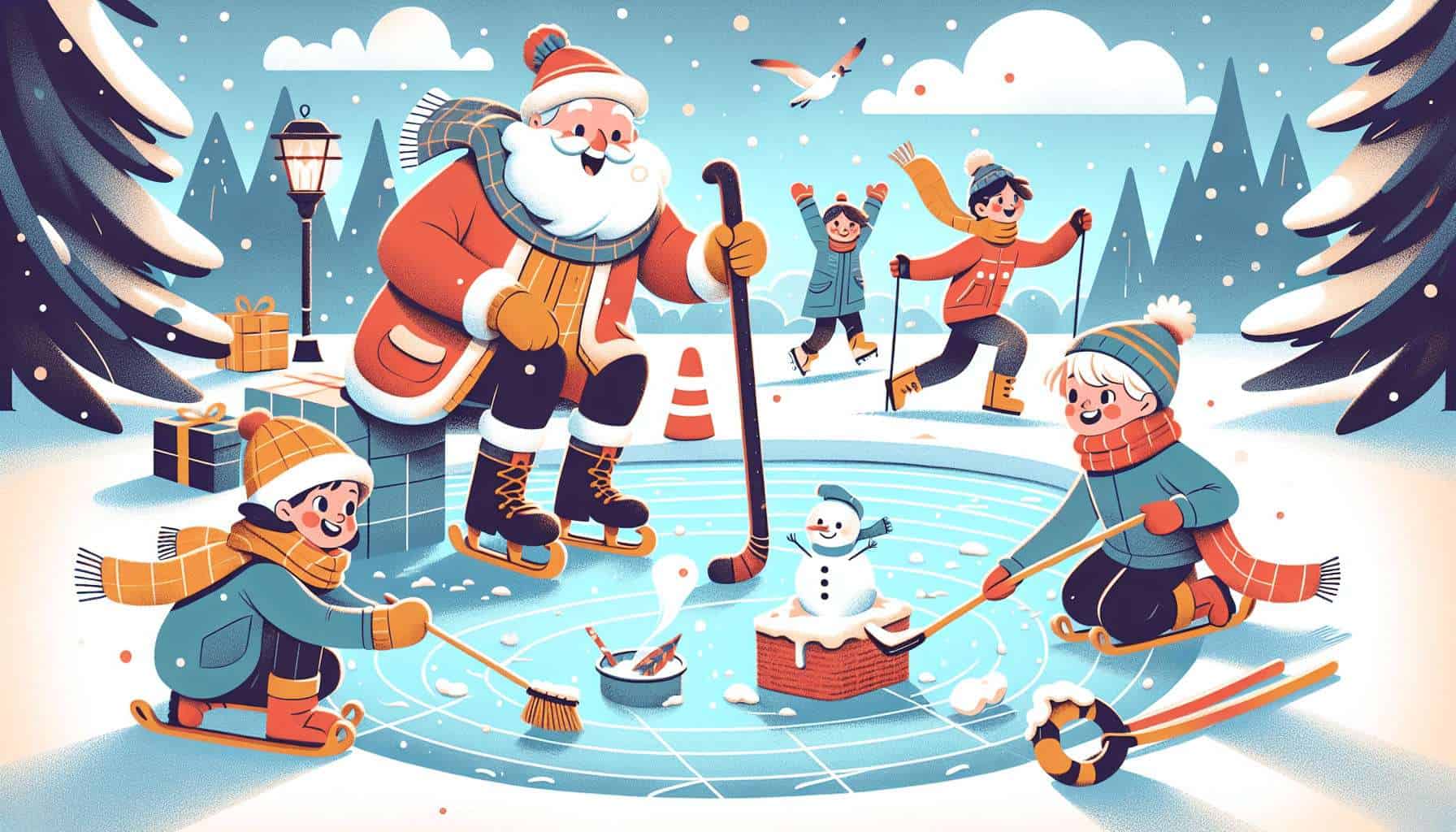
Confession: sometimes we skip the ‘perfect’ AI images and just can’t resist picking the most awkward ones. Hopefully they bring a smile to your face too!
You don’t need a mountain or a fancy yard. With a few safety checks and a little creativity, the backyard, park, or even a cleared cul-de-sac becomes a playground of laughter.
- This guide covers quick warm-ups, snow classics, no-snow ideas, team games, and age-adaptations.
- You’ll find step-by-step setups, variations, and packing/checklist tips.
- Safety basics and post-play warmups to keep everyone smiling.
Why play outside in winter?
Cold air boosts mood and circulation. Kids get vitamin D when the sun cooperates. And frankly, it helps them burn energy that would otherwise become indoor chaos. Winter Outdoor Games also teach resilience: learning how to layer, move, and stay safe in cold weather is a life skill.
Safety First: Gear, Prep, and Rules
Safety is fun’s best friend. Before launching a session of winter outdoor games, do a quick safety check and set a few elementary rules.
- Dress in layers: base (wicking), mid (insulating), outer (waterproof).
- Hats, mittens (not gloves for toddlers), and waterproof boots are non-negotiable.
- Check the play area: hidden ice patches, sharp objects, and tree roots love to hide under snow.
- Buddy rule: no one plays alone out of adult sight, especially near roads or water.
Warm-up is quick but necessary. Three to five minutes of marching in place, arm circles, and playful lunges gets circulation going and reduces slips.
Quick Equipment Checklist
- Thermal layers, waterproof outerwear, spare socks
- Soft snowballs (see game variations), cones or colored scarves for boundaries
- Thermos with warm drink, towels, small first-aid kit
Fast Warm-Up Games (5–10 minutes)
Perfect when you’re trying to pry kids out the door or when the school bell rings and you have 20 minutes before dinner. These winter outdoor games take minutes to set up and are great as starters.
- Snow-version Red Light, Green Light: Use a bright mitten as the signal. Players ‘freeze’ in snow boots. Add ‘purple light’ for silly dance.
- Penguin Waddle Relay: Hands behind back, ball between knees (or a small snowball). Short distance. Builds balance and belly laughs.
- Hot Cocoa Tag: Tagged players go to the ‘cafe’ (a cone) and do five jumping jacks to get ‘hot’ again.
Snow-Based Classics (when the white stuff cooperates)
If you have snow, it’s like the universe handed you props. These winter outdoor games make the most of it without turning into a competitive snow-war (unless you want that).
Snowman Relay — Simple Tournament Setup
Teams build a snowman in relay fashion. Each player adds one part, runs back, tags next teammate. First team with a recognizable snowperson wins.
- Mark building zones with scarves or cones.
- Use mittens or fabric for accessories so nothing freezes solid.
- Variation: tiny snowmen for younger kids (easier to build).
Capture the Flag — Snow Edition
Play standard capture the flag but make ‘safe zones’ out of flattened snow patches. Sleds can be used as temporary forts. Remind teams: no digging into icy mounds.
Tip: use bright fabric flags so they’re visible against snow.
No-Snow Winter Games (for mild climates)
No snow? No problem. Winter outdoor games should be about the season, not just snow. Cooler temps mean game gear is easier to clean and kids can run for longer without overheating.
- Sock Skating: On a smooth porch or driveway, wearing wool socks, kids ‘skate’ to a finish line. Add cones for slalom.
- Paper Snowball Fight: Crumple paper into ‘snowballs’—soft, recyclable, and no melting puddles.
- Flashlight Freeze Tag: Early dusk makes this magical. Flashlight beam ‘freezes’ players.
Team Games & Mini-Tournaments
Kids love structure. Create short brackets, rotate teams, and let them earn small prizes like privilege tokens (first pick of sled) or a special hot chocolate mix.
- Round-robin for three teams: each plays two short rounds (8–10 minutes).
- Point system: win = 3, tie = 1, participation = 1 (to reward everyone).
- Bracket finals: keep games short so energy stays high.
Adaptations by Age
Toddlers (1–4 years)
Short bursts and very simple goals. Focus on sensory play and gross motor skills. Keep rules loose and celebrate every attempt.
- Rolling a snowball and chasing it (supervised).
- Making tracks with boots and identifying shapes.
- Bubble blowing outdoors—watch the icy bubbles sparkle.
Elementary (5–11 years)
This age loves rules, teams, and mild strategy. Introduce relays, capture-the-flag, and scavenger hunts with simple clues.
- Timed relays with checkpoints.
- Treasure hunts: use laminated clue cards in zip bags.
- Modify for skill levels—shorter distances for less confident kids.
Tweens & Teens
Let them lead. Teenagers can design games, manage teams, and even referee. Competitive options like snowball target practice or obstacle courses keep them engaged.
Post-Play: Warm Up, Clean Up, and Celebrate
The endgame matters as much as the kickoff. Wet clothes lead to crankiness and sniffles. Have a quick warm-up and drying routine.
- Transition area: a tarp or bench for removing wet boots and mittens.
- Warm drinks in a thermos—offer low-sugar options for kids.
- Change into dry layers immediately; have spare socks and hats ready.
Small ritual: award silly badges (stickers, duct-tape wristbands, or ‘snow star’ stamps) so kids leave proud and parents leave sane.
Quick Troubleshooting & Variations
Games go sideways. Here’s how to pivot without losing the fun.
- Too cold? Shorten rounds and increase active time between rests.
- Too rowdy? Add cooperative tasks: everyone must carry a scarf together.
- No visibility? Move games to a sheltered porch or use bright markers.
Packing List for a Successful Session
- Layers, spare socks, extra mittens
- Cones, scarves, or brightly colored markers
- Thermos with warm drink, towel, small first-aid kit
You’ll be amazed how a tiny thermos and a cheerful mitten can transform a cold evening into a family memory.
Final Notes: Keep It Playful
The point of winter outdoor games isn’t Olympic-level training. It’s sticky cheek grins, cold noses, and the tiny thrill of beating the chill with togetherness. Keep expectations low, creativity high, and snacks abundant.
Try one new game a week, rotate leadership, and don’t forget to capture a photo—those rosy-cheek snapshots age into legends.
FAQs
What are safe Winter Outdoor Games for young children?
Choose short, low-impact activities like penguin waddles, paper snowball tosses, and bubble blowing. Ensure warm layers, waterproof mittens, and adult supervision. Keep rounds short (5–10 minutes) and have dry clothes ready.
How do I adapt Winter Outdoor Games if there’s no snow?
Use seasonal substitutes: crumpled paper as ‘snowballs’, sock skating on a smooth surface, flashlight freeze tag at dusk, or obstacle courses with cones. Emphasize cool-weather clothing and swap snow-specific props for portable items.
How long should a winter play session last?
Aim for multiple short sessions: 15–30 minutes of active play with breaks for warming. For toddlers, stick to 5–15 minute bursts. Older kids can handle 30–60 minutes if well-layered and engaged.
What gear is essential for winter outdoor play?
Essentials: moisture-wicking base layer, insulating mid-layer, waterproof outer layer, warm hat, mittens, waterproof boots, and spare socks. A thermos, towels, and a small first-aid kit make transitions smoother.