Intro: Lunch fights are optional
If your child inspects, rejects, and theatrically mourns anything that isn’t shaped like a dinosaur or neon-colored, you’re in good company. Parents of picky kids learn to negotiate like diplomats, bribe with stickers, and hide vegetables in muffins. The good news: with a few smart tricks and creative Lunchbox Ideas for Picky Eaters, lunch can go from battleground to mildly pleasant.
This isn’t about forcing kale into kale-shaped sadness. It’s about meeting taste buds where they are, introducing tiny nudges toward variety, and keeping the whole thing simple enough that tired parents will actually do it.
This guide covers:
- Easy lunchbox formulas that mix protein, carbs, and fun
- Small, practical swaps to boost nutrition without drama
- Three step-by-step recipes picky kids usually accept
- Packing hacks, timing tips, and what to do when nothing works
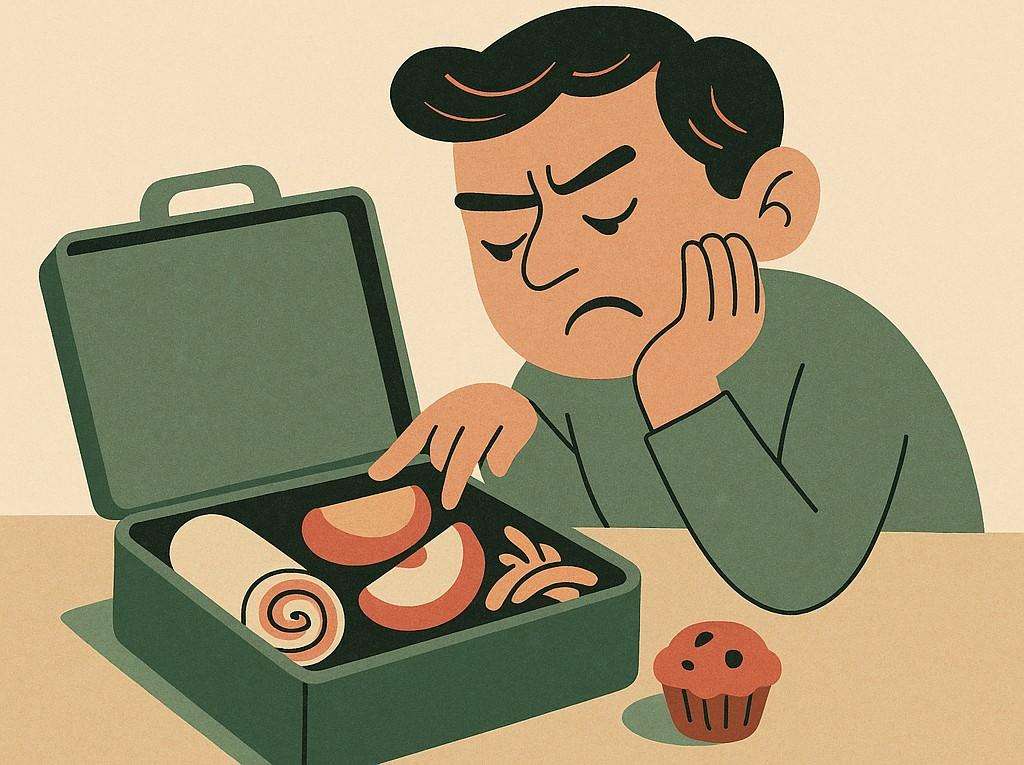
Confession: sometimes we skip the ‘perfect’ AI images and just can’t resist picking the most awkward ones. Hopefully they bring a smile to your face too!
Why picky eaters get picky (and how to use that knowledge)
Kids aren’t being contrarian on purpose. Taste preferences, sensory issues, and the desire for control all play a role. Understanding the why helps you craft lunchbox choices that feel familiar but gently expand their palate.
Safe-but-flexible strategy
Start with foods a child already accepts and offer one small variation. For example, if they love turkey sandwiches, try a turkey roll-up with the same filling but different shape. Shape and familiarity beat mystery every time.
Quick lunchbox formulas (no recipe brain required)
Formulas are lifesavers because picky kids like patterns. Pack a predictable structure and rotate options within it. Use the headline formula below and swap ingredients each day.
The 4-C formula: Core + Crunch + Color + Treat
- Core (protein/carbohydrate): mini sandwich, rice box, pasta salad
- Crunch: crackers, cucumber coins, snap peas
- Color: berries, mandarin segments, carrot sticks
- Treat: small cookie, yogurt tube, a few chocolate chips
Examples using the 4-C formula: turkey & cheese roll (core), veggie straws (crunch), apple slices (color), a mini muffin (treat). Repeat the structure with different ingredients each day to keep lunches predictable but not boring.
Bento-style sampler boxes
A few small compartments reduce overwhelm. Include multiple mini-options instead of one big item; kids love the treasure-hunt vibe.
- Mini cheese cubes + whole-grain crackers
- Grapes (halved for safety) + hummus for dipping
- Hard-boiled egg or turkey roll-up
- Yogurt or applesauce cup
Small swaps that feel like wins
Swap, don’t lecture. Tiny changes keep things familiar while improving nutrition. Always pair a swap with a favorite so it doesn’t feel like a punishment.
Swap ideas parents actually use
- White bread → lightly toasted whole grain or a fun-shaped cutter
- Plain chips → baked veggie chips or pita crisps
- Candy bar → homemade trail mix with a few chocolate chips
- Soda → flavored water or diluted fruit juice in a fun bottle
Label swaps as experiments: ‘Today’s special: crunchy pita chips. Tell me what you think.’ That keeps the tone curious instead of punitive.
Three step-by-step recipes that picky kids tolerate
Recipes here are quick, modular, and built around familiar flavors. Each includes variations to suit fussier or more adventurous eaters.
Mini Pita Pizzas (5–10 minutes prep)
- Ingredients: mini pitas, pizza sauce, shredded mozzarella, optional pepperoni or finely chopped veg
- Assemble: spread sauce, sprinkle cheese, add topping
- Heat: microwave 30–60 seconds or bake at 375°F (190°C) for 6–8 minutes
- Pack: cool slightly, slice into quarters. Variation: use pesto or ranch for picky kids who dislike tomato.
Hidden-Veggie Muffins (make-ahead)
- Ingredients: boxed muffin mix or basic batter, shredded carrot or zucchini, mashed banana for sweetness
- Mix: fold veg into batter; add cinnamon or chocolate chips to mask taste
- Bake: follow package directions, cool, and freeze extras
- Pack: one muffin plus a yogurt tube. Variation: make savory muffins with cheese and finely grated veggies.
Turkey Roll-Ups with Dip (no-cut option)
- Ingredients: sliced turkey, cream cheese or hummus, thin cucumber strips or shredded carrot
- Assemble: spread, lay veggies, roll tight and slice if desired
- Pack: include a small container of dip (kids are more interested with a dip)
- Variation: swap turkey for ham, or use a whole-grain tortilla for a wrap.
Packing, timing, and survival tips
The little logistics matter almost as much as the food. Temperature, texture, and presentation all affect whether something is eaten.
Timing and freshness
Pack things that survive a few hours: sturdy fruits (apples, grapes), sealed yogurt, and insulated containers for warm items. If a school won’t refrigerate, skip mayo-based salads or pack a frozen ice pack that thaws slowly.
Presentation tricks that actually work
- Use cookie cutters for sandwiches — novelty increases bites
- Separate wet items (hummus, sauce) in mini containers
- Cut fruit into small, easy-to-handle shapes
- Let kids help pack one item so they feel ownership
When nothing works: reset without drama
There will be days when your child declares everything ‘gross.’ That’s normal. Keep your cool and follow simple rules to reduce power struggles and still encourage variety.
Boundaries that still feel kind
- Offer two acceptable choices instead of open-ended questions
- Avoid forced ‘clean plates’ comments at lunch — that’s a nutrition fight for another day
- If the lunch comes home uneaten often, enlist the teacher’s gentle feedback
Final pep talk and next steps
The goal isn’t to turn your child into a gourmet overnight. It’s to create a low-drama lunch routine, introduce tiny changes over time, and celebrate the small wins. Lunchbox Ideas for Picky Eaters are tools — mix and match them until you find what clicks.
Try one new swap each week, keep a ‘lunch win’ list, and remember: a returned lunch doesn’t mean defeat; it’s feedback. Adjust, retry, and preserve snacks you both enjoy so packing stays doable.
You’ve got this. And when in doubt, put a sticker in the box. It rarely fails.
Frequently Asked Questions
What are quick lunch ideas for picky eaters that don’t require cooking every day?
Use the 4-C formula: pick a core (cheese, cold pasta, sandwich), add a crunchy side (crackers, cucumber), a colorful fruit or veg, and a small treat. Rotate stored make-ahead items like muffins, pre-cooked chicken, or frozen mini pizzas to cut prep time.
How can I make a healthy lunchbox for picky eaters without starting a fight?
Make tiny swaps—whole-grain bread instead of white, yogurt instead of pudding—and pair each swap with a favorite. Offer two acceptable choices rather than open-ended questions to give kids control without chaos.
Are there lunches picky eaters actually like that include hidden veggies?
Yes. Hidden-veggie muffins, finely grated zucchini or carrot in pasta sauces, and pureed vegetable-based dips mixed with cream cheese are commonly accepted. Start with small amounts and label them as ‘chef’s surprise’ if your child likes mystery.
How do I handle consistently uneaten lunches from a picky eater?
First, track what comes back uneaten to spot patterns. Swap in more familiar options, consult the teacher for lunchtime observations, and avoid turning lunchtime into a battleground—offer breakfast as the main chance for favorites and keep lunches low-pressure.
What are fun packing hacks for picky eater lunchboxes?
Use cookie cutters, compartmentalized bento containers, tiny dip cups, and themed lunches (color-based or character-inspired). Let kids choose one ‘surprise’ item to pack so they feel ownership and are likelier to eat.