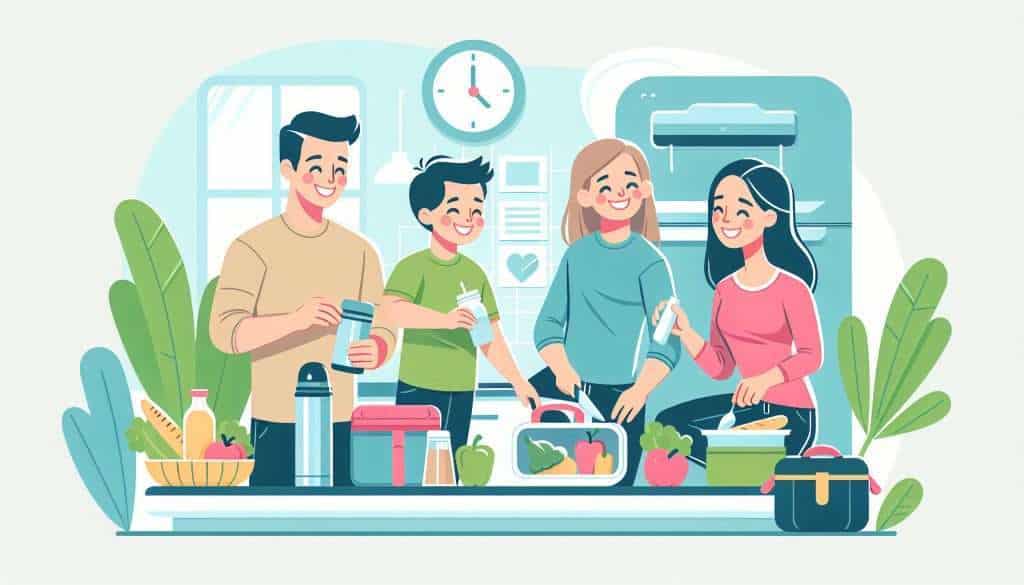
Remember when a lunch box was a metal tin with a cartoon dog and crumbs from 1998? Today, the choices are overwhelming: stainless steel, silicone, bamboo, recycled plastic, lunch bags with insulation, bento boxes, and the occasional unicorn. If you want to be kinder to the planet without turning lunchtime into a lecture, welcome — you’re in the right place.

Confession: sometimes we skip the ‘perfect’ AI images and just can’t resist picking the most awkward ones. Hopefully they bring a smile to your face too!
Also try: Holiday-Themed Lunchboxes: Fun Ideas for Parents
This guide is practical, a little cheeky, and full of real-life solutions for parents who juggle work, school drop-offs, and negotiations over broccoli. We’ll help you pick an eco friendly lunch box that fits your child’s personality, your family’s values, and your dishwasher tolerance.
- This guide covers: why an eco friendly lunch box matters and which materials really cut waste
- How to choose sizes, compartments, lids and insulation that actually help (not complicate)
- Packing, cleaning, and life-hack tips so the whole system survives mornings and soccer practice
Why choose an eco friendly lunch box?
Choosing an eco friendly lunch box is about more than feeling smug at the PTA meeting. It reduces single-use waste, saves money over time, and models sustainable habits for kids. Plus, a sturdy lunchbox is less likely to become a one-week wonder tossed in the charity bin.
A good reusable lunch system reduces:
- Single-use sandwich bags and disposable containers
- Plastic wrap and foil
- Frequent replacements due to breakage or stains
Materials: what to look for (and what to avoid)
Not all ‘green’ labels are created equal. Here’s a quick tour of common materials and how they stack up in real life.
Stainless steel
Pros: Extremely durable, often recyclable, doesn’t retain odors, and great for hot or cold foods if insulated. Kids can drop them; they shrug off the trauma.
Cons: Can be heavier and more expensive up front. Some cheaper models aren’t truly leakproof, so pair them with silicone lids or inner compartments.
Silicone
Pros: Flexible, lightweight, heat-resistant, and often dishwasher-safe. Collapsible silicone containers save space and work well for snacks or dips.
Cons: Look for food-grade silicone (BPA-free, LFGB), because low-quality silicone can be a nightmare. Not ideal for high-impact drops.
Bamboo and wood
Pros: Biodegradable, attractive, and lightweight. Great for dry snacks and aesthetic points at lunchtime.
Cons: Not dishwasher-safe typically. They can absorb stains and smells unless well-sealed.
Recycled or bioplastic
Pros: Uses less virgin plastic and diverts waste. Often lighter and cheaper.
Cons: Not all recycled plastics are recyclable again. Compostable plastics often need industrial composting to break down, which many cities don’t have.
Key features to prioritize
Buying a reusable lunchbox is like hiring a tiny employee for your family: it needs to be reliable, low-maintenance, and not cause more work than it saves. Here are features that matter.
- Durability: stainless steel or thick silicone beats thin plastic every time.
- Easy-to-clean parts: avoid tiny crevices where yogurt turns into science.
- Leak resistance: critical if you pack sauces or soups.
- Appropriate size: not too big, not too small — aim for sensible portions.
- Replaceable parts: lids, seals, and straps that can be swapped extend life.
How to pick the right size and layout
Kids aren’t tiny adults. A lunchbox should match appetite and age, and allow for a balance of food groups without overpacking.
General sizing guide:
- Preschool: small bento-style or snack boxes (about 350–500 ml total).
- Elementary: medium bento with 3–4 compartments to separate proteins, fruits, and snacks.
- Tweens/teens: larger containers or a full-sized insulated lunch bag with separate containers for hot and cold items.
Compartments are great for picky eaters or for portion control. Just don’t create an archaeological dig of tiny boxes — simplicity wins in the real world.
Packing tips and eco-friendly swaps
Packing an eco friendly lunch box means replacing single-use items with smart, reusable alternatives. Here are packing ideas and swaps that actually stick.
- Swap plastic sandwich bags for reusable silicone bags or beeswax wraps.
- Use stainless steel containers for proteins and hearty snacks.
- Pack a reusable cutlery set and a cloth napkin.
- Include an insulated bottle for drinks to reduce single-use cartons or bottles.
Snack ideas that travel well and don’t require cling film:
- Veggie sticks in a silicone cup with hummus in a tiny leakproof pot.
- Cubed fruit in a small stainless steel container (lemon helps prevent browning).
- Mini muffins in a paper-free silicone muffin cup.
- Leftover pasta or rice in insulated containers if school allows warm foods.
Cleaning and care: make it painless
If washing reusable gear is a multi-step ritual involving chants and specialized tools, it won’t last. Here’s how to make cleaning quick and effective.
- Rinse immediately after use to prevent stains and smells.
- Most stainless steel and silicone pieces are dishwasher-safe on the top rack — check manufacturer guidance.
- For bamboo/wood: hand wash with mild soap and air dry; re-oil occasionally to maintain finish.
- Sanitize seals and lids weekly by soaking in warm soapy water; inspect for mold or wear.
Real-life routines that work
Here are three parent-tested routines to keep eco friendly lunch boxes cycling smoothly through the week.
1. Night-before prep
Pack non-perishables and assemble containers the night before. Store in the fridge overnight so mornings are mostly grab-and-go.
2. Morning five-minute check
Do a rapid check: utensils? napkin? water bottle? Let your child be responsible for choosing one extra snack as a small ownership practice.
3. Evening reset
Rinse or toss into the dishwasher immediately. Put all lids back in a designated basket to avoid one-off orphaned lids drifting through the house like their own ecosystem.
Budget buys and where to splurge
You don’t need to break the bank to be green. A basic stainless steel container and a reusable bag are a high-impact start.
- Spend: on a quality insulated bottle and a leakproof main container.
- Save: on decorative extras that get tossed or cause tears when lost.
- Consider secondhand: thrift stores and local parenting groups often have barely-used sets.
Small habits that make a big difference
A few tiny changes multiply over a school year. Try one new swap each month and celebrate the wins — yes, even when it’s just one fewer plastic bag in the trash.
- Keep a drawer with spare lids and reusable snack bags so you’re never caught empty-handed.
- Teach kids to pack one ingredient they love — it increases the odds they’ll actually eat lunch.
- Rotate containers so everything gets used and nothing ages into the back-of-cupboard Bermuda Triangle.
FAQs
What is the most durable eco friendly lunch box material?
Stainless steel is typically the most durable and long-lasting option. It resists odors, won’t leach chemicals, and can often be recycled at end of life. Pair it with silicone seals for leak resistance.
Are beeswax wraps a good alternative to single-use wrap in an eco friendly lunch box?
Yes — beeswax wraps work well for sandwiches and covering containers for a few days. They’re reusable and compostable at end-of-life. Avoid using them for raw meat or very wet items to prevent hygiene issues.
How do I stop my child’s lunchbox from smelling?
Rinse containers right after use, wash lids/seals weekly, and air-dry completely before storing. For persistent odors, soak in a mixture of baking soda and warm water or leave a small baking soda sachet in the lunch bag overnight.
Can an eco friendly lunch box be microwave-safe?
Some silicone and certain plastics are microwave-safe, but stainless steel is not. Always check manufacturer instructions. If reheating is needed at school, consider using microwave-safe inner containers and a clearly labeled thermos for hot items.