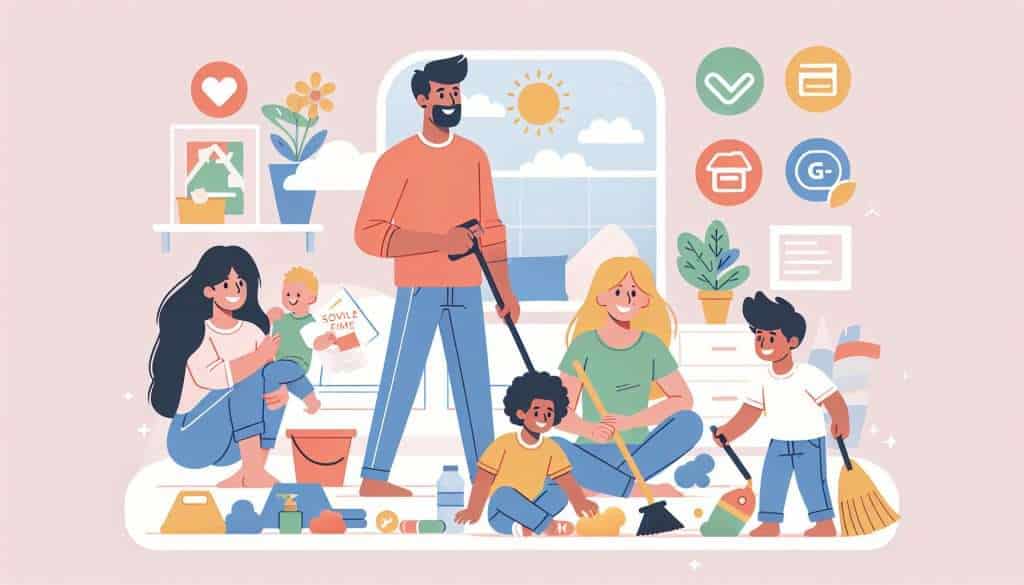

If your house feels like a toy factory exploded, you are not alone. Organizing Kids’ Bedrooms is less about perfection and more about making systems that tolerate chaos, teach responsibility, and — dare I say — preserve your sanity. This post is written for real parents who want practical fixes that actually work, not guilt-tripping Pinterest projects that require a day off and a label-maker.
- This guide covers… quick wins to calm the chaos
- This guide covers… storage systems that grow with your child
- This guide covers… routines, age-based tips, and budget DIYs
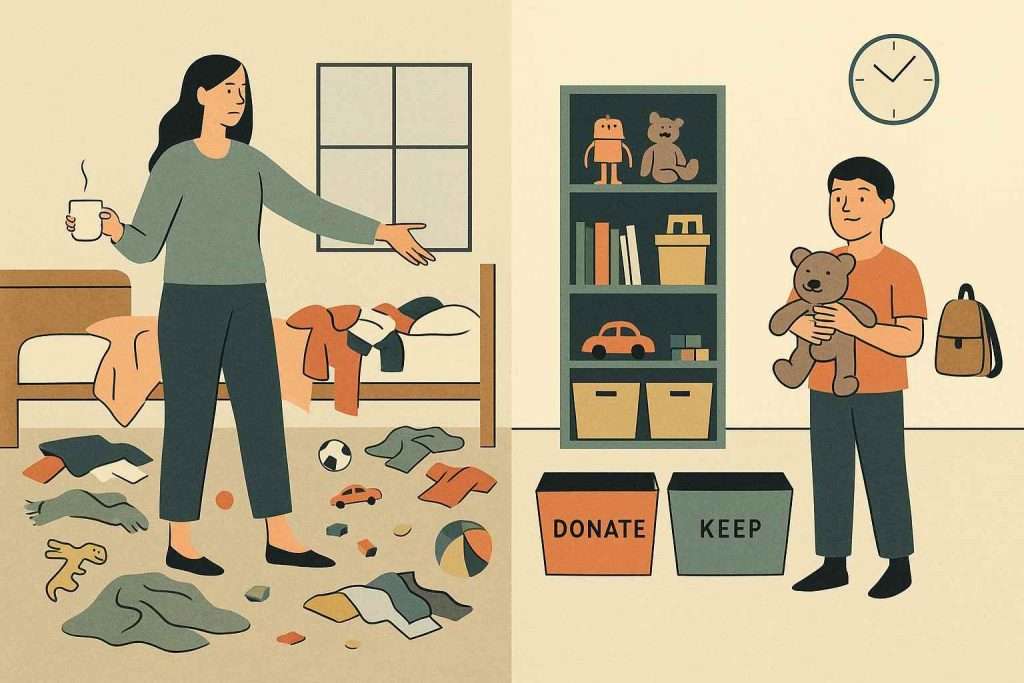
Confession: sometimes we skip the ‘perfect’ AI images and just can’t resist picking the most awkward ones. Hopefully they bring a smile to your face too!
Start Small: Quick Wins You Can Do Tonight
Big overhauls are great in theory and exhausting in practice. Start with tiny, immediate wins so you and the kids feel successful fast. Small wins build momentum; momentum builds habits.
- The 10-minute sweep: set a kitchen timer and put everything in the doorway basket — decide later.
- The one-toy rule: pick one toy to donate for every new toy that comes in.
- Visible surfaces only: clear dressers and floors first — the room looks cleaner instantly.
Toy Triage: Keep, Donate, Store, Toss
Toys are the number-one clutter offenders. Treat them like produce: if they’re moldy in spirit (broken, missing pieces, or never played with), they go. Make triage a game — a 5-minute sorting challenge with a timer works wonders.
- Keep: favorites and toys that spark learning or creative play.
- Donate: duplicates, outgrown sets, or anything unplayed-with for 6+ months.
- Store: seasonal or sentimental items in labeled bins.
- Toss: broken toys beyond repair or missing essential pieces.
Clothes and Laundry: Make Getting Dressed an Easy Win
Laundry multiplies in the kid-bedroom universe. The trick is to reduce decision fatigue and make dirty clothes obvious.
- Use two hampers: one for lights, one for darks (or day/night if your kid can’t tell colors yet).
- Limit drawer variety: fewer compartments means fewer decisions.
- Adopt ‘one week’s outfits’ for younger kids — pre-plan to save morning mayhem.
Smart Storage That Grows With Them
Storage should be flexible, accessible, and built around how kids actually play. Eye-level storage for toddlers; higher shelves for tweens. Clear bins are lovely, but opaque with labels can look calmer.
- Open bins for toys — they’re easy to throw into.
- Drawers for clothes — keep similar items together.
- Shelves for books — display covers forward for interest.
- Cubbies for school gear — one cube per activity or child.
Labeling and Zones
Kids aren’t naturally tidying ninjas; they need clear visual cues. Create zones — play, sleep, clothes, and reading — and label them.
- Use pictures for labels with younger kids (picture of socks on the sock drawer).
- Use simple words for early readers.
- Color-code bins or shelves per child if sharing a room.
Routines, Not Battles: Make Cleanup Predictable
Habits beat lectures. If cleanup is part of a routine (after playtime, before screen time), it becomes expected instead of optional. Keep prompts short and consistent.
- The 5-minute tidy: set a timer and race the clock together.
- Cleanup song: a specific song signals tidy-up time (yes, the kids will love it).
- End-of-day check: a quick walkthrough before bed to put outliers away.
Projects and Maintenance: Weekly and Monthly Habits
Systems need tiny maintenance. Think of it like car oil changes — quick and preventative beats major mess meltdowns.
- Weekly: 20–30 minute tidy + donation box sweep.
- Monthly: rotate toys and purge what’s not used.
- Seasonal: swap clothes, check for outgrown shoes, and store out-of-season items.
Kid-Friendly Systems by Age
Toddlers and Preschoolers
Simplicity, accessibility, and repetition. Toddlers respond to boundaries that they understand visually and physically.
- Low bins for toys and books.
- One bin per toy category (blocks, stuffed animals, vehicles).
- Picture labels and consistent cleanup cues.
School-Age Kids
Increase responsibility slowly. Give choices and let them make small decisions about what to keep.
- Cubbies for backpacks and sports gear.
- A small filing system for artwork and school papers.
- A bedtime checklist taped to the door (brush teeth, pick up toys, put pajamas away).
Tweens & Teens
Respect their space and let functionality win over aesthetics. You can suggest systems, but the buy-in matters more than the setup.
- Under-bed storage for off-season clothes or equipment.
- Designate a laundry spot and insist on it.
- Offer a compromise: their decor choices in exchange for maintaining basic rules.
Budget-Friendly DIYs and Smart Shopping
You don’t need a pricey organizer to make a functional space. Mostly, you need containers, labels, and consistency.
- Repurpose shoe boxes for small toys and LEGO sorting.
- Use command hooks for backpacks and dress-up capes.
- Buy clear stackable bins from discount stores and label them.
Wrapping Up: Keep It Playful and Practical
Organizing Kids’ Bedrooms doesn’t have to be a heroic weekend. Pick one corner, do a 10-minute tidy, and set one simple rule. Celebrate wins. Expect backsliding. Tweak systems rather than blaming kids. You’ll get farther with humor and a timer than with lectures and shame.
The goal isn’t a magazine-perfect room; it’s a space where kids can play, rest, and learn responsibility — and a floor you can walk across without an orthopedic consultation. Start small, be consistent, and adapt as they grow.
Frequently Asked Questions
How do I start organizing kids’ bedrooms without doing everything at once?
Start with a 10–20 minute session focused on one small area: the floor, a toy shelf, or a dresser. Use a timer, sort into keep/donate/store/toss, and finish with a quick visible win so everyone feels accomplished.
What storage is best for toys and small parts?
Use clear bins or labeled opaque bins, and sort by category (blocks, dolls, vehicles). For tiny pieces, use small lidded containers or muffin tins inside a larger bin. Labeling and consistent homes prevent the ‘mystery LEGO’ problem.
How can I get my child to actually clean their room?
Turn cleanup into a predictable routine: set a timer, use a cleanup song, and break tasks into small steps. Offer choices and keep expectations age-appropriate. Positive reinforcement and short, consistent practice work better than nagging.
How often should I purge toys and clothes?
Do a quick purge weekly to remove obvious clutter and a deeper purge monthly or seasonally to rotate toys and swap outgrown clothes. Keep a donation box handy so it’s easy to remove items immediately.