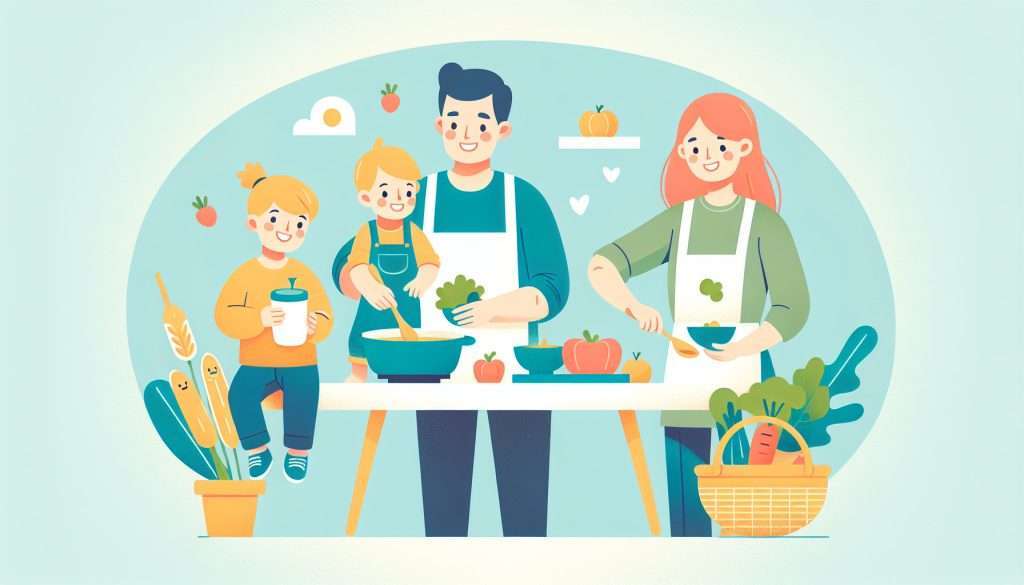
Meal Prep Tips for Families: Why It’s Worth the Hype
You’re not alone if your evenings look like a frantic dance between homework, laundry, and the eternal question: “What’s for dinner?” Meal Prep Tips for Families aren’t about becoming a microwave Michelin chef. They’re about small systems that save minutes, sanity, and money.

Confession: sometimes we skip the ‘perfect’ AI images and just can’t resist picking the most awkward ones. Hopefully they bring a smile to your face too!
Also try: How to Cook Healthy Meals for My Family: Simple Wins
The goal is manageable routines, not perfection. A little prep on Sunday can mean calmer weeknights, fewer takeout nights, and more time for the good stuff—like arguing over who gets the last slice of pizza.
- This guide covers easy wins to get started fast
- A step-by-step weekly meal-prep plan parents can actually follow
- Smart shopping, batch-cooking, kid-friendly hacks, and freezer tricks
Start Small: The First Meal Prep Steps
Don’t attempt a full restaurant-style prep on week one. Pick one meal or component to prep and build from there. That’s the difference between a habit and a one-off heroic Sunday.
Pick your low-hanging fruit
- Cook a big batch of rice or pasta to use all week
- Roast a tray of mixed vegetables—reheat with olive oil and lemon
- Make a pot of protein (chicken, lentils, or baked tofu) to top salads or bowls
These basics can be mixed and matched into bowls, tacos, wraps, and quick stir-fries. The trick: think components, not entire meals.
A Simple Weekly Meal-Prep Plan (Step-by-step)
Here’s a reliable blueprint for meal prep that every busy family can follow. Times are estimates—adjust for your household rhythm.
Sunday: 90-minute power session
- 30 minutes: Shop or check your pantry for missing basics
- 30 minutes: Roast a tray of veggies and a pan of sheet-pan protein
- 30 minutes: Cook a grain, make a simple sauce (pesto or tomato), and portion lunches
Store cooked items in clear containers, labeled with date and contents. Transparent food choices = fewer mystery dinners and more peace-of-mind for the overworked parent.
Monday–Friday: 10–20 minute nightly finishes
- Heat prepped components
- Assemble a bowl, wrap, or plate
- Add a fresh element: salad, avocado, or citrus squeeze
These quick finishes make weeknights feel intentional instead of improvised. When the base is ready, creativity is easy and forgiving.
Grocery Strategy: Shop Like a Parent Who Sleeps
Great meal prep starts at the grocery store. The right list saves time and reduces impulse buys (and we both know those impulse buys are for small human bribery).
Build a flexible shopping list
- Proteins: chicken thighs, canned beans, tofu
- Grains: rice, quinoa, pasta
- Produce: one salad green, two roasting veg, fruit for snacks
- Staples: broth, spices, olive oil, lemons
A flexible list helps you pivot when a sale hits or when the toddler decides they will only eat orange foods this week.
Batch Cooking & Freezer-Friendly Ideas
Batch cooking is the backbone of family meal prep. Freeze in family-sized portions and weekday nights become unglamorous but reliable wins.
Make-ahead meals that freeze beautifully
- Chili or Bolognese (freeze in meal portions)
- Casseroles: enchilada bake or shepherd’s pie
- Pancake or waffle batter frozen in scoops for mornings
- Muffin-tin frittatas—freeze, reheat single servings
Label with dates, stack flat for freezer space, and rotate older meals to the front. Reheating from frozen? Add a little extra moisture and cover while warming.
Kid-Friendly Tricks That Don’t Make You a Short-Order Cook
Kids are emotional half-of-a-plate critics. These small choices reduce picky-eating theatrics without inventing a separate menu.
Serve with safe favorites and tiny choices
- Keep a familiar item on the plate: bread, sliced cheese, or yogurt
- Offer two acceptable choices: carrots or cucumber, not vegetables or nothing
- Use the ‘build-your-own’ model: bowls and taco nights empower picky kids
Letting kids assemble their own dinner reduces resistance. It’s amazing what happens when they control the tortilla-to-filling ratio.
Time-Saving Tools and Storage Hacks
A few smart tools turn 90 minutes into 60 and reduce cleanup grief. You don’t need a gadget for every problem, but some are genuinely helpful.
Invest in these basics
- Sharp chef’s knife and a cutting board (don’t chip your fingers, please)
- Good storage containers with lids that actually seal
- A slow cooker or Instant Pot for one-pot batch meals
- A baking sheet and heavy roasting pan for sheet-pan dinners
Label containers with masking tape and a permanent marker. Write the date and contents to avoid that freezer existential crisis.
Safety, Storage, and Reheating Basics
Food safety isn’t glamorous, but it keeps everyone healthy. Cool cooked food before sealing and refrigerate within two hours. Eat refrigerated meals in 3–4 days, or freeze longer.
- Cool food on shallow trays before storing
- Store in portioned, labeled containers
- Reheat to 165°F (74°C) for leftovers
When in doubt, smell and reheat thoroughly. If the science of it worries you, keep a simple thermometer in the drawer.
Meal Prep for Special Weeks: Holidays, Sports, and Chaos
Some weeks are curveballs—seasonal sports, sick days, or grandparent visits. The same meal prep rules apply: prioritize versatile components and stash ready-to-go comfort meals.
For busy sports weeks, double the pasta sauce and pre-portion snacks. For family visits, prep simple extras that can be reheated, not extravagant dishes that require babysitting a soufflé.
Realistic Routines: A Two-Week Starter Schedule
Want a plug-and-play schedule? Try this: Week 1 focuses on basic components. Week 2 adds one new recipe and a freezer plan. Keep it flexible and celebrate tiny wins.
- Week 1: Roast proteins and veggies; cook grains; portion lunches
- Week 2: Add one make-ahead casserole and freeze two meals
- Ongoing: Swap in seasonal produce and rotate recipes to avoid boredom
If a plan feels overwhelming, reduce it. Even prepping salad greens and a protein twice a week is progress—and deserves a fist bump.
Final Notes: Keep It Fun (Yes, Really)
Meal Prep Tips for Families should make life easier, not more stressful. Play music, get the kids to help with simple tasks, and reward yourself with something small at the end of the day—chocolate, a hot shower, or ten minutes of scrolling in peace.
Start with one habit, repeat it, then add another. Before long, you’ll be the parent who casually says, “I’ve got dinner planned,” and everyone will believe you—because you actually do.
FAQs
How do I start meal prep with picky eaters (Meal Prep Tips for Families)?
Start by prepping components—not full meals. Offer a familiar item on the plate and let kids assemble their own bowls. Keep two acceptable choices and introduce new foods in tiny, non-threatening amounts.
What are quick freezer-friendly meals for families?
Cook large batches of chili, Bolognese, casseroles, or muffin-tin frittatas. Freeze in meal-sized portions, label with date, and reheat covered with a splash of water or broth to retain moisture.
How much time should families spend on meal prep each week?
Aim for a 60–90 minute prep session on the weekend plus 10–20 minute nightly finishes. Start smaller if needed—one prepared component per week is still progress.
Can I involve kids in meal prep without slowing everything down?
Yes. Give kids simple, age-appropriate tasks: washing produce, stirring, portioning snacks, or labeling containers. It teaches skills and buys you a few extra focused minutes.