

Fresh air, tiny boots: why outdoor preschool activities matter
If you think preschool is just finger-painting under fluorescent lights, you’re missing a whole world of peeling paint—wait, I mean peeling bark. Outdoor preschool activities turn yards, parks, and sidewalks into sensory classrooms. Kids learn through movement, mess, and sometimes very suspicious puddles.
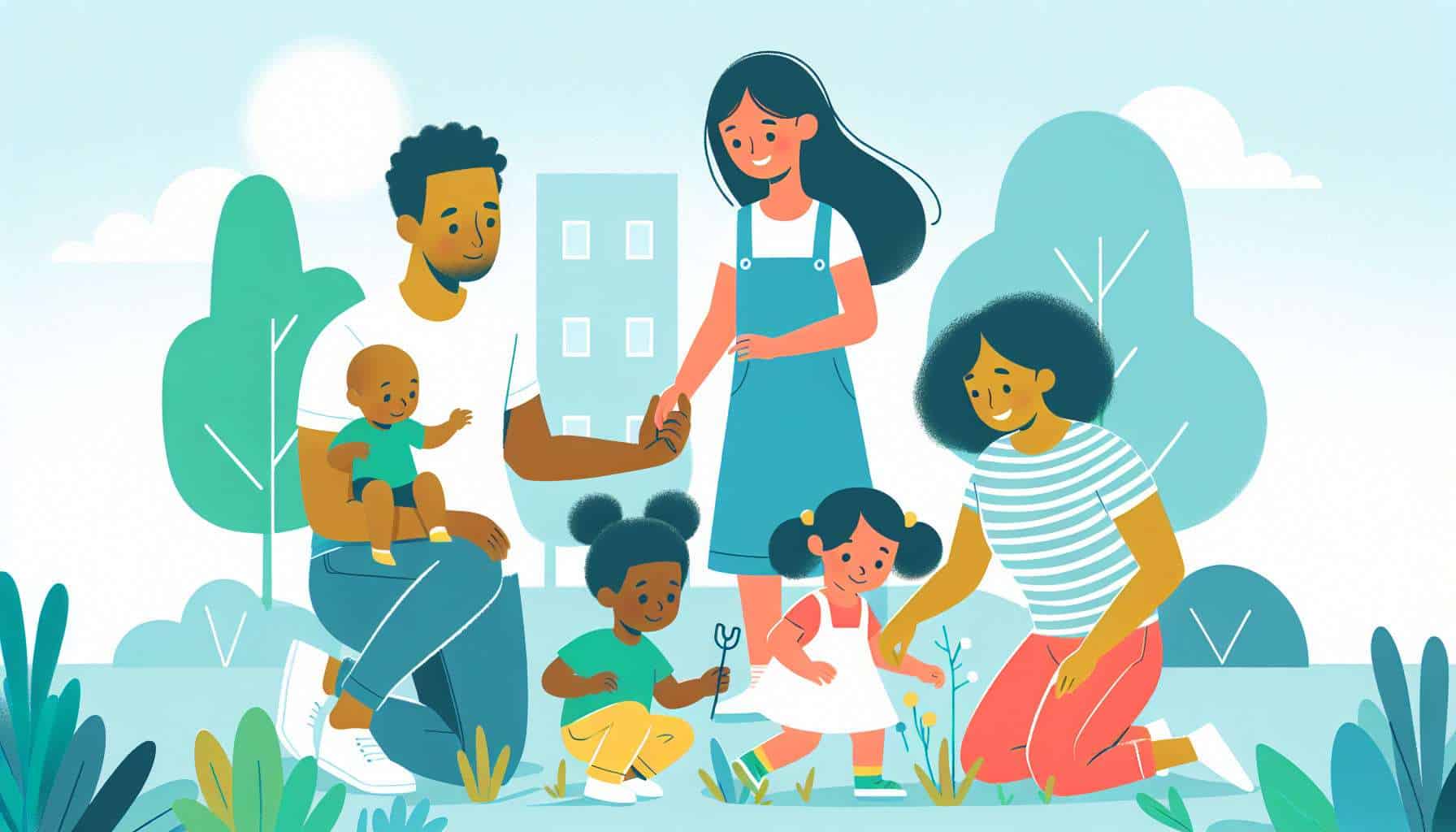
Confession: sometimes we skip the ‘perfect’ AI images and just can’t resist picking the most awkward ones. Hopefully they bring a smile to your face too!
Also try: Educational Outdoor Activities for Preschoolers That Actually Work
The outdoors gives preschoolers space to run, loudness that doesn’t bother anyone, and sensory experiences that stick. It’s wonderful, chaotic, and occasionally soggy. That’s the point.
- This guide covers quick safety tips, 10 easy activities with step-by-step instructions, variations, and clean-up hacks.
- You’ll get ideas that work for 2–5 year olds and for groups of mixed ages.
- Practical materials lists and troubleshooting notes so you don’t turn a puddle into a small emergency.
Quick safety checklist before you head out
A little prep avoids a lot of drama. Safety doesn’t have to kill the fun—just a quick glance to keep everyone smiling.
- Check the weather and dress in layers (mud = opportunity, frostbite = not an opportunity).
- Sunscreen and hats for sunny days; raincoats and boots for damp adventures.
- Scan the play area for hazards: sharp sticks, glass, animal droppings.
- Have a first-aid kit, water, and a simple hand-washing plan.
10 outdoor preschool activities with step-by-step fun
1) Nature scavenger hunt
A scavenger hunt turns a walk into an expedition. It’s great for vocabulary, observation skills, and the thrill of finding the ‘treasure’ (a leaf shaped like America, a smooth pebble, a feather).
- Materials: simple checklist cards or picture cards, small bags or baskets.
- Steps: show the cards, model how to look carefully, set a time limit, celebrate finds.
- Variations: themed hunts (colors, textures, sounds), cooperative teams, or a tactile-only hunt where kids feel items in a bag.
2) Mud kitchen and sensory mess
Mud kitchens are basically outdoor chef school with no health code. Kids mix soil, water, leaves, and safe kitchen tools to create imaginary recipes.
- Materials: old pots, spoons, bowls, a designated mud area, and a water source.
- Steps: set up stations, demonstrate stirring and pouring, encourage role play and vocabulary like ‘scoop’ and ‘whisk’.
- Clean-up: designate a rinsing bucket and a towel. Kids that get messy are usually the happiest.
3) Bubble science and wind play
Bubbles teach cause-and-effect and give instant joy. Add a little experiment twist and you’ve got science class disguised as giggles.
- Materials: bubble solution (dish soap + water), straws, cookie cutters, string bubble wands.
- Steps: show how different wands make different sizes; try blowing gently vs. running; predict which wand makes the biggest bubble.
- Variations: add glycerin for longer-lived bubbles or do a wind experiment—mark a starting line and see how far bubbles travel.
4) Mini obstacle course
An obstacle course builds gross motor skills and self-confidence. It can be as simple or elaborate as your backyard allows.
- Materials: cones, hoops, tape, cushions, boxes.
- Steps: set stations (crawl under, hop in circles, balance beam). Time optional—focus on skill-building.
- Adaptations: make it cooperative for younger kids (carry a beanbag together) or competitive for older preschoolers.
5) Planting potions: tiny garden projects
Gardening teaches responsibility and life cycles. Little gardens are instant wins—plants grow slowly, but the pride is immediate.
- Materials: small pots or reused yogurt cups, soil, seeds (sunflowers, beans, herbs), labels, markers.
- Steps: fill pots, plant seeds, label, water, and place in sun. Check growth daily and talk about changes.
- Variations: sensory herb pots kids can smell, or a ‘pizza garden’ with tomato, basil and oregano.
6) Outdoor sensory stations
Set up multiple short stations—water play, sand digging, a nature touch table—and rotate. It’s focused, manageable, and great for group attention spans.
- Materials: shallow bins, water toys, sand, shells, pinecones, scoops.
- Steps: introduce stations, give a 5–8 minute timer per station, encourage descriptive words.
- Benefits: supports language development, fine motor skills, and calm engagement.
7) Chalk art and color mixing
Sidewalk chalk is cheap magic. Kids draw, measure, trace shadows, and play tic-tac-toe with giant footprints.
- Materials: chalk, spray bottles (to blend colors), tape for shapes.
- Steps: show how to mix wet chalk puddles for new colors or create hopscotch with numbers.
- Variation: shadow tracing at different times of day to talk about the sun.
8) Story and song circle with props
Bring stories outdoors and add scarves, puppets, or sound shakers. Movement + story = better memory and dramatic play.
- Materials: a blanket, simple props, a megaphone (or a cone), instrument shakers.
- Steps: read a short story, pause for kids to act out parts, sing a closing song that reviews vocabulary.
- Tip: pick stories that involve nature to connect book and environment.
9) Weather experiments: wind, rain, and sun
Preschoolers love predictable mystery. Measuring rain with a jar or watching wind speed with ribbon streamers makes abstract ideas real.
- Materials: clear jars, rulers, stickers, ribbon strips, paper cups.
- Steps: set a rain jar, mark levels after showers, compare ribbon movement on windy vs calm days.
- Variation: make simple anemometers with paper cups and straws for counting rotations.
10) Loose parts play and small-world building
Loose parts—rocks, sticks, shells, fabric—let children invent. It’s free-form, creative, and the opposite of a boxed activity kit.
- Materials: baskets of safe loose parts, trays for sorting, a play mat.
- Steps: introduce the items, pose a challenge (build a bridge), let them create and narrate.
- Benefits: encourages problem-solving, language, and cooperative play.
Adapting activities for different ages and group sizes
One setup can serve a 2-year-old and a 5-year-old—if you tweak it. Younger kids need more sensory support and shorter tasks. Older preschoolers get complexity and responsibility.
- Toddlers: shorter stations, more adult modeling, and larger, easier-to-hold materials.
- Mix-age groups: pair older kids with younger ones for mentoring roles.
- Groups: use rotation schedules or buddy systems to reduce crowding and keep engagement high.
Setup, storage and cleanup hacks (so you can survive)
You don’t need a storage shed the size of a barn. A few smart habits make outdoor preschool activities repeatable and low-stress.
- Use clear bins and label with pictures for quick material grabs.
- Keep a small caddy with wipes, a spray bottle for quick rinses, and a towel stash.
- Create a rinse station: a bucket of soapy water and a separate clean water bucket for rinsing hands or tools.
Benefits of outdoor preschool activities (quick recap)
- Physical development: running, jumping, balancing and fine motor practice.
- Cognitive growth: observation, prediction, sorting, early science.
- Social-emotional: cooperation, risk assessment, independence.
- Language: new words tied to real-world experiences.
Troubleshooting and encouraging hesitant kids
Not every child loves mud or loudness. That’s fine. Offer choices and low-pressure invitations. Try observing side-by-side first: hand them a clipboard and invite them to be the ‘finder’ or ‘recorder.’
- Offer a quiet station for kids who need calm.
- Model gently—children copy delight more than instruction.
- Celebrate effort, not just outcomes. ‘You tried!’ goes a long way.
FAQs
What are easy outdoor preschool activities for small yards?
You don’t need acres. Try a mini obstacle course, potted-garden planting, a sensory bin on a picnic table, chalk art, and bubble play. Rotate short 10–15 minute stations so the space feels fresh.
How can I do outdoor activities with mixed-age preschoolers?
Use buddy systems and tiered challenges. Give younger kids simpler tasks (sort by color) and older kids extra steps (measure or count). Encourage older children to lead small parts—teaching boosts their confidence.
What should I pack for a day of outdoor preschool activities?
Pack sunscreen, hats, a basic first-aid kit, wipes, towels, extra clothes, water, and simple tools (scoops, buckets, tape). A small caddy with art supplies and name labels helps keep things organized.
How do I handle cleanup after messy outdoor preschool activities?
Designate a rinse station and a bag for wet clothes. Use baby wipes or a water spray for hands, then a towel. Make cleanup part of play—sing a cleanup song or turn washing tools into a final station.


